This story first appeared in the Tri-City News on March 15, 2024
A nondescript white panel van is delivering relief to homeless populations in the Tri-Cities, Burnaby, New Westminster and Maple Ridge.
Sometimes it even helps save a life.
During a recent visit to the 3030 Gordon shelter in Coquitlam, medical professionals from the Integrated Homelessness Action Response Team (IHART) mobilized when a man overdosed on the sidewalk.
As his worried street buddies gathered round and coaxed the man to wake up, registered and practical nurses administered naloxone and notified emergency services. After several tense moments he was responsive and sitting up. Minutes later he walked away, getting on with his day as if nothing unusual had occurred.
While the IHART program has been operating since 2022, it’s been bringing its suite of health care, mental health and outreach services to the streets in a van since January.
Lower barriers
The program’s co-ordinator, Paolo Palomar, said the idea is to lower barriers to obtaining health care for a population that would otherwise have none.
The mobile team that functions five days a week is comprised of nurses, clinicians, as well as peer support, outreach and social workers.
“We’re able to give wrap-around support,” Palomar said.
Sometimes that means distributing requisitions for blood work.
Sometimes it requires cleaning and dressing infections or providing counselling. Sometimes it’s just handing out a cup of warm coffee.
“We try not to say ‘no’ to anyone who needs help,” Palomar said.
The IHART team travels to homeless encampments, shelters and church parking lots across the northern communities of the Fraser Health district while a second team helps out in eastern communities like Abbotsford, Mission, Chilliwack, Agassiz and Hope. The service is also being extended to Surrey.
Relationship of trust
The vans follow a regular schedule so clients can anticipate their visits, Palomar said.
It also helps them build a relationship of trust, he added.
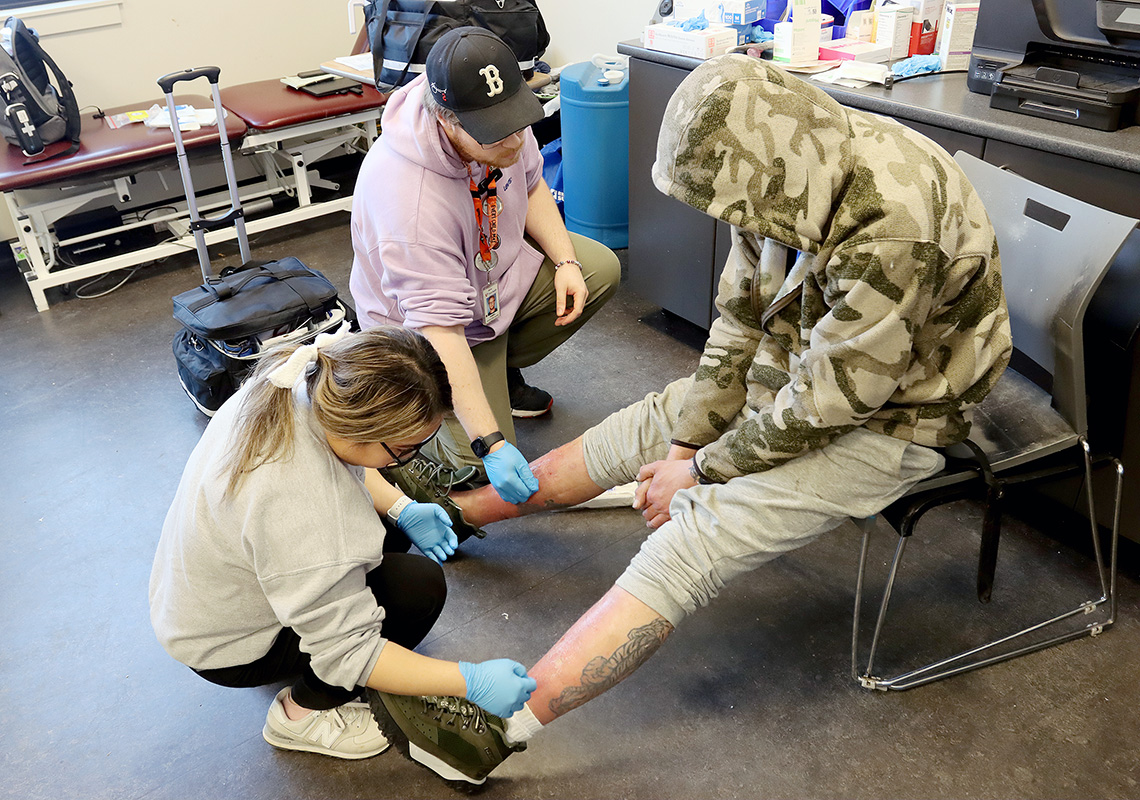
Twice a month the team offers special foot care clinics as homeless populations often have to deal with a condition called “street feet” because their shoes and socks are wet from the rain and snow.
The frontline care can help alleviate the chronic nature of health disparities the homeless population experience, said Fraser Health clinical operations director Sherif Amara.
“The vans provide an additional tool to bring care further into these remote, often secluded, settings.”
Palomar said it can also be the stepping stone to more comprehensive care and possibly even the start of a journey off the streets.
This story was originally published in the Tri-City News on Dec. 10, 2024. It proved to be one of the most read of the entire year, generating more then 20,000 page views.
Kylie Wright and her daughter went to a Coquitlam Express hockey game Sunday and ended up at the biggest event to hit Vancouver since the 2010 Winter Olympics.
Wright and eight-year-old Saoirse were the winners of a pair of tickets to Sunday’s final concert of Taylor Swift’s monster Eras tour at BC Place.
Their names were randomly drawn from the 1,450 ticket holders to the game between the Express and the Powell River Kings Sunday afternoon at the Poirier Sport and Leisure Complex.
As well, fans could earn extra opportunities to win by donating $20 to the KidSport Tri-Cities or by winning the Chuck-a-Puck contest that’s held between the second and third periods.
Shortly after the Wrights won, Kylie’s husband picked them up from the arena to get them into Vancouver in time for the concert.
Wright said the whole experience was a thrill, especially as it was the first-ever live concert for Saoirse.
“You made an eight-year-old’s dream come true and she will never forget last night,” she commented on the hockey team’s Facebook page on Monday.
Express general manager Tali Campbell said the promotion that was sponsored by Sussex Insurance was equally exciting for the team.
He said more than 87.5 per cent of the ticket holders to Sunday’s game were new customers and the buzz of fans dressed up, crafting signs and singing to the Taylor Swift music that played during breaks in the play carried all the way to Edmonton where he was with the U14 Coquitlam Hockey Club team for a tournament.
“It was the talk of the arena from teams all across BC and Alberta about the unique promotion we were running,” Campbell said, adding the event also brought in $2,160 for KidSport Tri-Cities.
“As a one-time campaign, this was probably our most successful.”
Swift’s show on Sunday was the last of three sold-out concerts at BC Place and capped the artist’s record-breaking tour that comprised 149 sold-out events spanning five continents over two years.
The Express also ended up winners, 2-1, over the Kings. It was the team’s second straight win after a 4-3 overtime victory over the Chilliwack Chiefs on Saturday
This story originally appeared in the Tri-City News on March 5, 2025
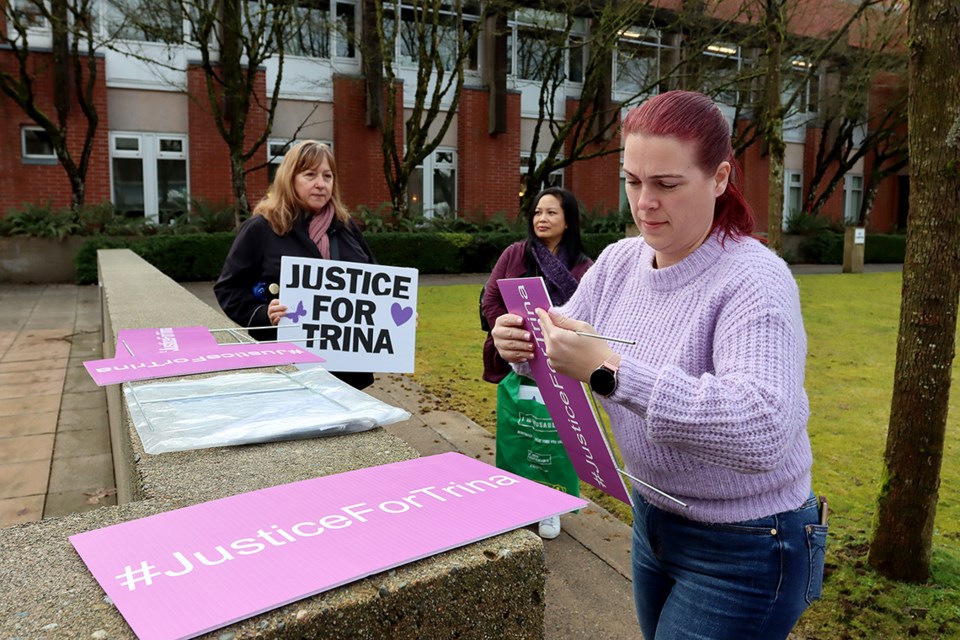
Stephanie Ibbott says she wasn’t about to let a court delay deter her and about 30 supporters from expressing their frustration with the justice system in its handling of the murder of her cousin-in-law, Trina Hunt.
Wednesday morning, March 5, the group gathered on the lower steps in front of BC Provincial Court in Port Coquitlam, despite a last-minute delay in court proceedings to April 23 for Hunt’s husband, Iain, who’s been charged with indignity to human remains in connecting with her death in January 2021.
Many of the group held hand-drawn signs or professionally printed placards, calling for the justice system to do better or for the Integrated Homicide Investigation Team (IHIT) to persist a pursuit for more serious charges. Some clutched bunches of purple tulips, Ibbott said were Trina Hunt’s favourite flowers in her favourite colour.
“It’s been four years, we’ve been waiting patiently,” she said, adding the charge laid against Iain Hunt after four years of intense investigation is “not justice.”
“It’s just baffling, infuriating and devastating,” Ibbott said.
Iain Hunt, 52, was charged on Feb. 4, more than four years after he’d reported his wife missing from their Port Moody home on Jan. 18, 2021.
An intense search by police, friends, family, community volunteers and even Coquitlam Search and Rescue, failed to find her until human remains were located near Hope on March 29, 2021, then positively identified as Trina Hunt a month later.
Shortly thereafter, IHIT executed search warrants on two homes, in Port Moody and Mission, and in June, 2022 a man was arrested but later released without charges.
Ibbott said the years since Trina Hunt’s disappearance — which have included the announcement of a $50,000 reward for information about her murder, public vigils and annual reminders from investigators about their efforts to bring charges — have been difficult.
“You hope the justice system will do people right,” she said. “It’s not enough.”
Marla Clark, who organized Wednesday’s rally, said it was important for friends, family, neighbours and co-workers to show their support for Trina Hunt.
“We are going to be here for Trina,” Clark said of her late friend whom she first met when they worked together in 1995.
Clark said the display is also a call to bring attention to the often hidden issue of domestic violence and femicide — the killing of women, usually committed by men.
Port Coquitlam’s Curtis Taylor is the definitive journeyman baseball pitcher. Since being selected in the fourth round of the 2016 MLB draft by the Arizona Diamondbacks, he’s toiled for 18 different teams, including one in Mexico. In February, Taylor signed a minor-league contract with the St. Louis Cardinals, his seventh MLB organization. He’s off to a promising start, with a win, 15 strikeouts and a 3.68 earned run average in seventh appearances for the Memphis Redbirds, the Cardinals’ top AAA affiliate. I talked to Taylor in January, 2019, early in his journey through baseball’s hinterlands. This article originally appeared in the Tri-City News in Feb., 2019.
Port Coquitlam pitcher Curtis Taylor is headed to the Tampa Bay Rays spring training camp in Port Charlotte, Fla., Feb. 13, as a non-roster invite. He’s ranked among the top 50 young prospects for the Major League Baseball team.
That’s a long way, and many degrees warmer than when Taylor’s dad, Wes, used to haul the family’s TV into the garage of their Port Coquitlam home in the fall so he could enjoy watching his beloved New York Yankees battle for the playoffs and then the World Series like he was in the same chill air as Yankee Stadium.
The experience instilled in Curtis a love for the game and set him on a path that may yet let him experience fall baseball in New York City for real. From the pitcher’s mound.
Taylor, 23, was drafted in the fourth round of the 2016 MLB draft by the Arizona Diamondbacks, and he’s been rising through baseball’s minor leagues ever since.
The 6’6” right-hander honed his fastball from atop the mound at Coquitlam’s Mundy Park for the Coquitlam Reds of the BC Premier Baseball League. His 91 mph heater landed him a stellar stint at the University of British Columbia Thunderbirds, where he filled out to 225 lbs and increased his velocity to 96 mph.
Those numbers caught the attention of pro scouts and the Diamondbacks made Taylor the highest draft pick out of UBC since former major league ace Jeff Francis was selected in the first round of the 2002 Major League draft by the Colorado Rockies.
Taylor opted to turn pro instead of returning to UBC for his senior year. He took his first step on the ladder to the Major Leagues in Hillsboro, Ore., where the Hops are the short-season A-League affiliate of the Diamondbacks. He pitched 16.1 innings in 17 games as a reliever, allowing only four runs and earning one win along with three saves.
The next season he was off to Geneva, Ill., to play full-season A-ball with the Kane County Cougars where coaches groomed him to be a starter. In 13 starts he won three games, lost four and allowed an average of 3.32 earned runs a game.
Injury problems
But the expanded role took a toll on Taylor’s shoulder and he missed the last month of the season with an impingement injury, where the rotator muscles get too loose and become trapped between the joint.
It was the first major injury of his career, and Taylor said he was terrified.
“It felt like getting stabbed in the shoulder.”
It was also Taylor’s first taste of the drudgery and hard work of rehab, living in a hotel room near the Diamondbacks’ training facility near Scottsdale, without a car, working in the gym every day to strengthen the joint.
“Rehab is a tough place to be,” Taylor said. “All your focus is on getting your arm better. I worked hard to stay positive.”
Traded
Then, on Nov. 30, 2017, Taylor experienced another first. He was traded to the Tampa Bay Rays for an established big leaguer, Brad Boxberger.
Initially, Taylor said he wasn’t thrilled with the move. But once he got to Tampa, and was able to talk to the coaches who wanted to return him to his customary role as a reliever, he was excited to take the next step in his journey.
That started in Port Charlotte, Fla., where he got three wins and two saves in the eight games he appeared in during the month he was there before getting promoted to the Rays’ AA affiliate in Montgomery, Ala.
In 30 games with the Biscuits, Taylor pitched 60 innings, earning three wins, four losses and six of eight save opportunities. More importantly, he was learning what it takes to be a pro baseball player.
“One of the biggest things is staying calm mentally,” he said. “You can’t get too high or too low. If you pitch bad you have to accept you’ll have bad days.”
He also got a sense of what it means to be a pro baseball player in the Deep South, making appearances in the community on behalf of the team, volunteering for charity work, interacting with fans.
“They’re really into it, they pay attention to the game,” Taylor said of the scrutiny. “You have to carry yourself as a reasonable, nice, kind person.”
Expanding his repertoire
A slight injury to Taylor’s elbow late in the season meant he wasn’t able to play in the Arizona Fall League, a prestigious off-season circuit to which only baseball’s top prospects are invited. But he did get to spend some time at a special pitching camp put on by the Rays in Florida where coaches were able to analyze his pitching with special high-speed cameras that track how the ball spins and moves vertically and horizontally.
Taylor said the experience was invaluable as he works to expand his pitching repertoire beyond his fastball and slider.
“It gives you instant feedback and you can compare it to big leaguers,” he said. “It was the best thing I’ve ever done as a baseball player.”
Taylor spent most of his off-season in the Lower Mainland, working out every day at his old stomping ground at UBC to “get stronger and trim body fat.”
And when the baseball playoffs and World Series were on TV last fall, he watched them from the warm comfort of his living room.
“Watching games on TV, you see guys you’ve played against and it’s exciting,” he said. “Hopefully that will be me in a year or two.”
This story was originally scheduled to appear in the Tri-City News
Dinner and a new home?
That unlikely combination for an afternoon or evening out will soon become possible as the developers of a major new project that will eventually comprise 9 towers, including a 27-storey office and hotel building, at the southeaster corner of the Lougheed and Barnet highways launch a new sales centre that includes a restaurant and coffee shop.
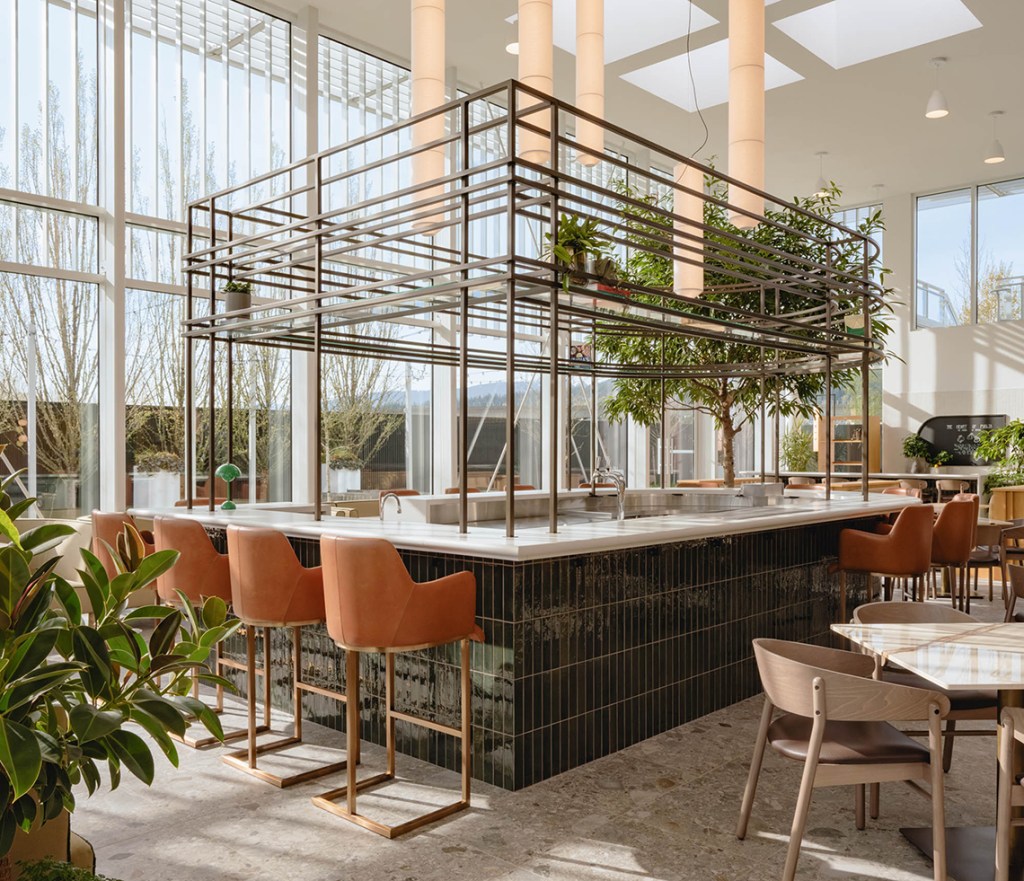
The TriCity Pavilion, at 2968 Christmas Way, will feature a sales gallery for Tri-City Central, a new mixed-use development project by Langley-based Marcon and QuadReal Property Group, along with Gigi’s by Ask For Luigi, a high-end Italian restaurant featuring fresh pasta, pizza, Italian wines and cocktails, as well as a new Nemesis coffee shop.
This is Marcon’s third multi-faceted pop-up sales centre and community hub.
In 2022 the developer opened Outpost at 3001 St. Johns St. In Port Moody. It’s sales centre in a strip mall’s parking lot has marketed several projects since, while the adjacent coffee shop offers offers a selection of hot and cold beverages, including craft beers, sandwiches and snacks, as well as showcase space for local products like olive oils from Olive the Best in NewPort Village.
In January, the new Surrey Pavilion featuring a Nemesis coffee shop, opened in the City Centre area.
Marcon’s executive vice-president, Nic Paolella, said the pavilion concept offers a taste of what’s to come in emerging neighbourhoods.
“It’s a living expression of the community we’re building,” he said in a news release.
SUBMITTED Some of the baked goods that will be available at the Nemesis café in the new TriCity Pavilion in Coquitlam.
Nemesis’ 50-seat Coquitlam location will be its fifth since first opening in Vancouver’s Gastown in 2017. Founder and CEO, Jess Reno, said it’s an opportunity for the company to bring its “coffee creating culture” to a new, growing city.
“The Tri-Cities is one of Metro Vancouver’s fastest growing regions, and we look forward to working with Marcon once again to bring a new community hub to life with TriCity Pavilion.”
Gigi’s by Ask For Luigi is the first venture in the Metro Vancouver area east of Boundary Road for the Kitchen Table hospitality group that also operates Italian restaurants like Bacaro, Carlino, Di Beppe, as well as Gionvanie Caffé with two locations in Vancouver and another in Toronto, two Mercato di Luigi Italian grocers, and Motoretta gelateria.
SUBMITTED The interior of the new Gigi’s by Ask For Luigi Italian restaurant that will be part of the TriCity Pavilion and pop-up sales centre in the new TriCity Central project at the southeastern corner of Lougheed and Barnet highways.
Its menu will be designed by culinary director, Chanthy Yen, a former winner on the TV reality show Top Chef Canada, along with head chef Lloyd Taganahan.
“We’re bringing the same heart and hospitality that our Vancouver restaurants are known for to the Tri-Cities,” said Kitchen Table co-founder, Jennifer Rossi.
When Tri-City Central is completed in 10-15 years, it will feature more than 4,000 new condo and rental homes, a park, retail, office and cultural spaces, a childcare facility and possibly a 150-room hotel and conference centre. It will be linked to the nearby Coquitlam Central transit hub by a new pedestrian/cyclist overpass. The project was approved by Coquitlam council in September, 2022.
The TriCity Pavilion is expected to open later this spring, with the sales centre to follow at a later date.
This story originally appeared in the Tri-City News
On a field trip to the Vancouver Aquarium, Edward Chen noticed many of his classmates averting their eyes as their bus navigated the hardscrabble streets of the Downtown Eastside.
“It’s not something I’ve been in contact with too much,” he said of the neighbourhood’s tent encampments and homeless residents slumped in alleys and on sidewalks. “Living in the Tri-Cities, homelessness is less visible.”
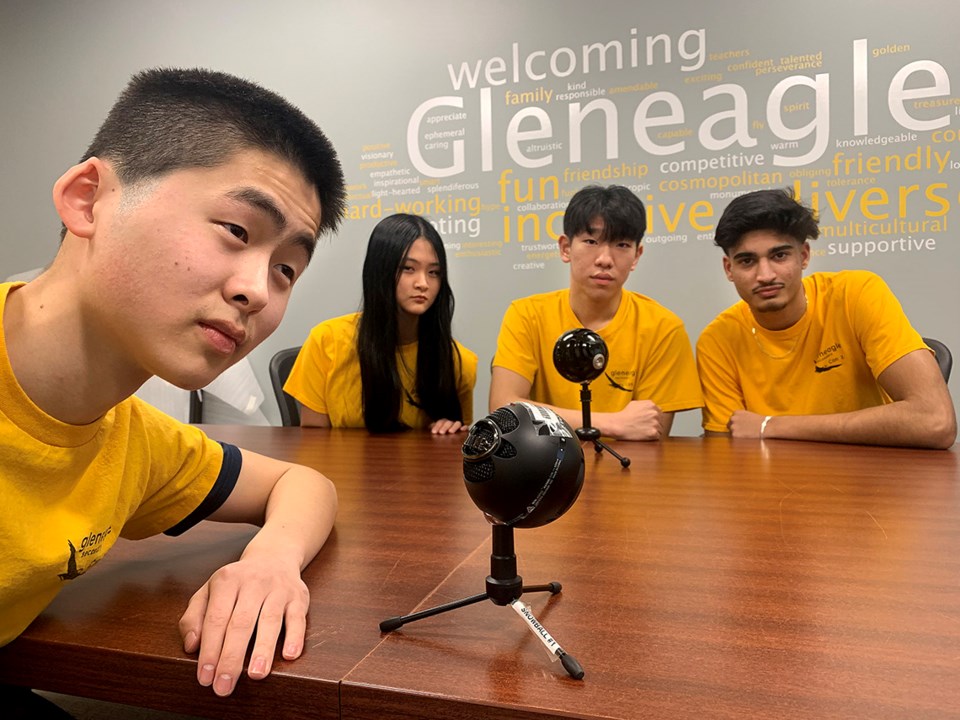
Chen and four classmates in the Con X Leadership program at Coquitlam’s Gleneagle Secondary are using technology and social media to foster empathy and compassion among their peers for people struggling with homelessness.
They’ve created The Blue Shed Podcast to share stories of people who’ve lived through homelessness and come out the other side, as well as community members working on the front lines of the homelessness issue in the Tri-Cities.
Chen said the group, that also includes Grade 12 students Mahtab Khangura and Matthew Jang, as well as Olivia Vasquez and Marisa Bassetto who are in Grade 11, originally wanted to construct a special blue shed where they could collect first-hand interviews from people experiencing homelessness, but they were advised that might not be the safest approach.
‘Be more creative’
Chen said the pivot forced them to reevaluate their own ideas about homelessness and goals for their project.
“We had to be more creative.”
For the first episode of their podcast, the group connected with a pair of outreach workers at the Hope For Freedom Society, Amanda and Aaron. They had survived their own experiences with addiction and homelessness and are now working to support those still enduring struggles.
Jang said their stories help humanize the issue of homelessness but also offer a glimmer of hope that hard work and perseverance can pay off.
“It’s important to make the issue feel personal and relevant. It opens doors to realizing the issue can’t be pushed to the side,” he said.
A future episode will visit with Macarthy Whyzel, a student at Douglas College in Coquitlam who’s created the Uplifting Group that distributes bottled water, nutritious snacks and other comforts like toiletries and socks to people struggling to survive on the streets of the Tri-Cities.
Vasquez said sharing such stories helps raise awareness of the work that is going on to help ease the homelessness issue in the area, often in the shadows.
Reach a younger generation
Khangura said the group’s work so far has helped build up his own understanding of homelessness.
Chen said the group decided a podcast would be the best way to reach their peers as most of their friends are avid podcast consumers. They’re also able to break out clips to post on , broadening the reach of their message.
“Our aim is to reach the younger generation,” added Khangura.
Because, said Jang, “even at our age you can make an impact.”
I first alighted at the Tri-City News 34 years ago almost to the day, a refugee from the 1990 Ontario recession that had cost my job of five years as a photojournalist at a paper in Oshawa.
An industry contact told me to talk to Craig Hodge and happenstance brought him to a conference in Toronto.
He told me if I came west, there would be work.
So I turned down an offer at a paper in Sydney, Nova Scotia, and pointed my red Toyota in the opposite direction.
The Tri-City News in 1991 was as close to a daily paper you could get without publishing six or seven days a week.
Under the guidance of Hodge, we were a department of six photographers, an office manager and assorted freelancers. The newsroom upstairs was similarly staffed.
We had a studio, full colour darkroom and we were all connected with pagers (!) and two-way radios. We covered stories seven days a week from 8 a.m. to 10 p.m., from Boundary Road to eastern Maple Ridge.
Travel budget
Occasionally, there was budget to go out of town, to the BC Winter and Summer Games, the Canada Summer Games in Kamloops, the Commonwealth Games in Victoria, to Miami to cover the IndyCar debut of local racer Greg Moore. During provincial elections, someone was sent into Vancouver to cover the big celebration for the winning party.
MARIO BARTEL/TRI-CITY NEWS Greg Moore heads home from the track at Homestead, Florida, at the end of IndyCar spring training in 1996.
One year, the company chartered a plane to fly several of us to Spokane, Wash., for a photojournalism conference. We took great delight in telling others we had to cut out of Happy Hour because our plane was warming up its engines at the airport.
Around the light table where we gathered at the end of every shift to edit our negatives and debrief the day, we speculated it was only a matter of time we’d become a daily. The news was out there, the papers were robust, filled with ads and flyers.
On April 17, the Tri-City News went dark after more than 40 years, although it was already diminished from its former self in August, 2023, when the decision was made to end the actual print publication to exist solely online.
The plummet of local news has been precipitous and painful.
While organizational changes had sent me to the Burnaby and New Westminster NewsLeader for 15 years until they were closed in 2015, I remained connected to the Tri-City News, occasionally sending stories that might be of interest, often sharing photos when a team or athlete from Coquitlam, Port Coquitlam or Port Moody was playing in a tournament or provincial championship at the Burnaby Lake Sports Complex, Copeland or Queen’s Park arenas.
When former TCN editor Richard Dal Monte had an opening in 2017, I jumped at it after 18 months wandering the wilds of freelancing, riding my bike and producing digital content for a realtor. You can take the boy out of the News, but you’ll never take the News out of the boy.
I came back with eyes wide open; our industry has been precarious for years.
Stories to be told
But there were still so many stories to be told.
So we put our heads down and forged ahead, even as we went from publishing twice a week to just once. Even as newsroom vacancies started to go unfilled. Even as the COVID-19 pandemic scattered us to our homes, conducting interviews over the phone or making arrangements to meet in open spaces like parks, driving deserted streets looking for photos that captured the weird vibe of that extraordinary time.
Heading to an assignment with a few minutes to spare; I searched for a shot that would somehow capture the feelings of isolation many were enduring during the first weeks of the COVID-19 pandemic as businesses closed and people stayed apart.
Our coverage of those early months of fear and uncertainty was some of the best I’d ever been a part of. Along with keeping up with the frenetic pace of event cancellations and societal changes brought on by the public health crisis, we found unique features of people persevering: the Shriners band playing for isolated seniors; an Elvis impersonator giving drive-by concerts; businesses trying new ideas to keep money coming in when their customers were staying home; the challenges faced by young student athletes with no sports to play.
It took a pandemic to revive Elvis. Darren Lee reignited his career as an Elvis tribute performer by driving to various neighbourhoods to entertain people shut in by the COVID-19 pandemic.
But even as we put in long hours in trying conditions to keep readers informed of all that was changing during the pandemic, the die was being cast for our ultimate demise.
Businesses trying to hang onto every penny to stay afloat themselves stopped advertising; many never came back. Readers’ habits changed, perhaps conditioned by hours of doomscrolling on social media platforms to keep up with the moment-by-moment developments during the pandemic.
Even going online exclusively, sparing the expenses of newsprint, ink, distribution and, eventually, a physical office, couldn’t turn the tide.
Tough times
The months since that decision haven’t been easy. Spending hours covering a contentious council debate about a major development proposal that barely registers a couple of hundred page views while a five-minute effort to recast a press release about a new donut shop coming to town goes off the scale can be dispiriting.
So can watching editors churn and colleagues depart.
But through it all we’ve tried to keep our communities informed and connected by sharing their stories.
I guess the void ahead will be the true test of whether that even matters anymore in an age when the first thing people do in the morning is scroll their Facebook feed rather than open the local paper and algorithms direct people into a perpetual feedback loop affirming their darkest inclinations.
It’s truly has been the best of times. It is the worst of times.
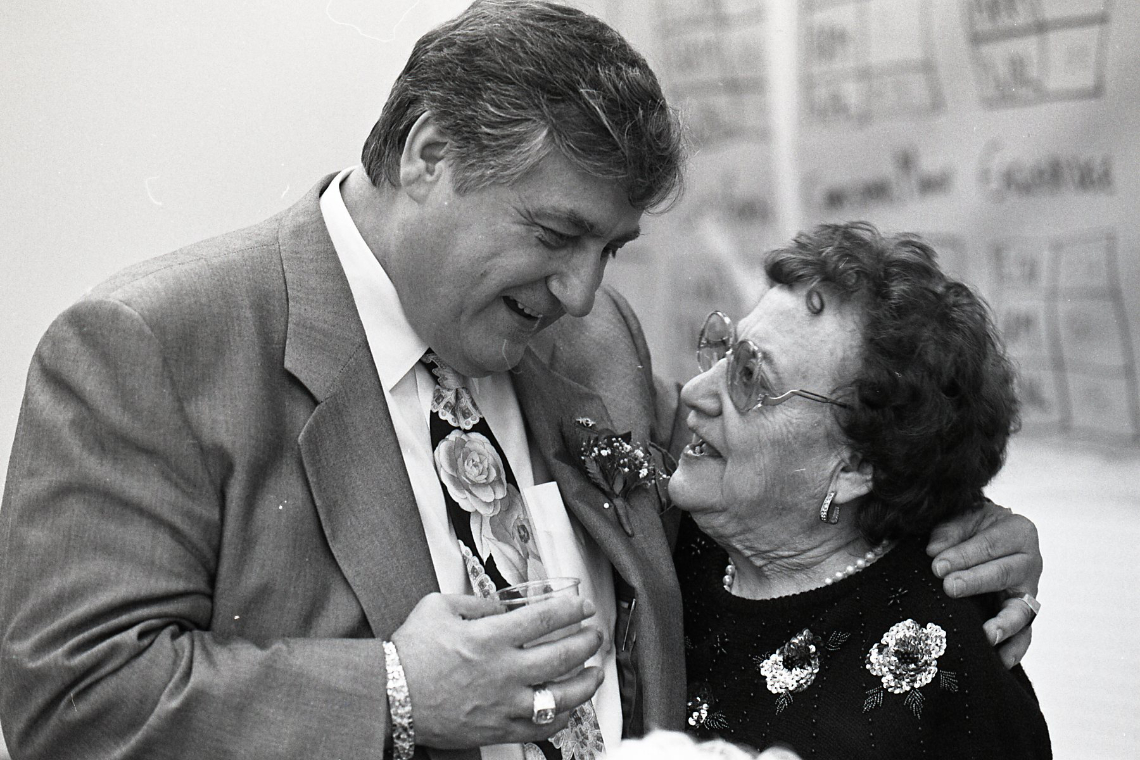
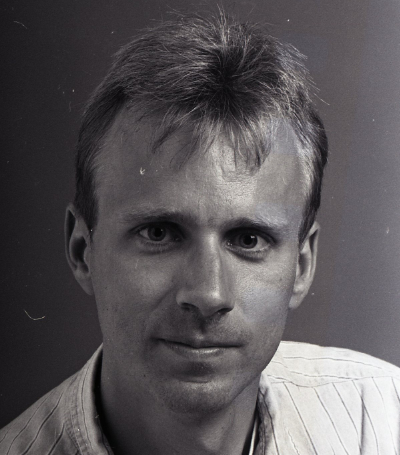
A selection of photos I’d shot in my first couple of years working in the photo department at the Tri-City News. They, and many more, have been carefully preserved and digitized by the City of Coquitlam Archives.
In 2023, my former colleague at the Tri-City News, Diane Strandberg, launched a weekly history feature that could easily plug a hole in the back pages of the paper and generate some traffic to our website. Headlines from the Past looks back at stories we’d covered in the publication’s 40 years. When Strandberg retired in Sept., 2023, she asked if I wanted to continue the feature. I’d launched a similar retrospective series in the final years of the Burnaby and New Westminster NewsLeader before it was closed in 2015, so I enthusiastically picked up the mantle. The stories aren’t just a fun opportunity to leaf through yellowing back issues of the paper and remember some of the stories I’d covered as a photographer, they’re also a reminder of the breadth of features and news we were able to bring to readers when we had the resources. As well, they highlight the important role newspapers play in documenting change and evolution in their communities, along with some of the quirky and remarkable happenings. Many thanks to the staff at Coquitlam Archives who’ve taken on the task of preserving back issues of the Tri-City News, as well as thousands of negatives and photos. Here is a small collection of some of my favourite Headlines from the Past features.
Wild times come to an end at this notorious Port Coquitlam inn
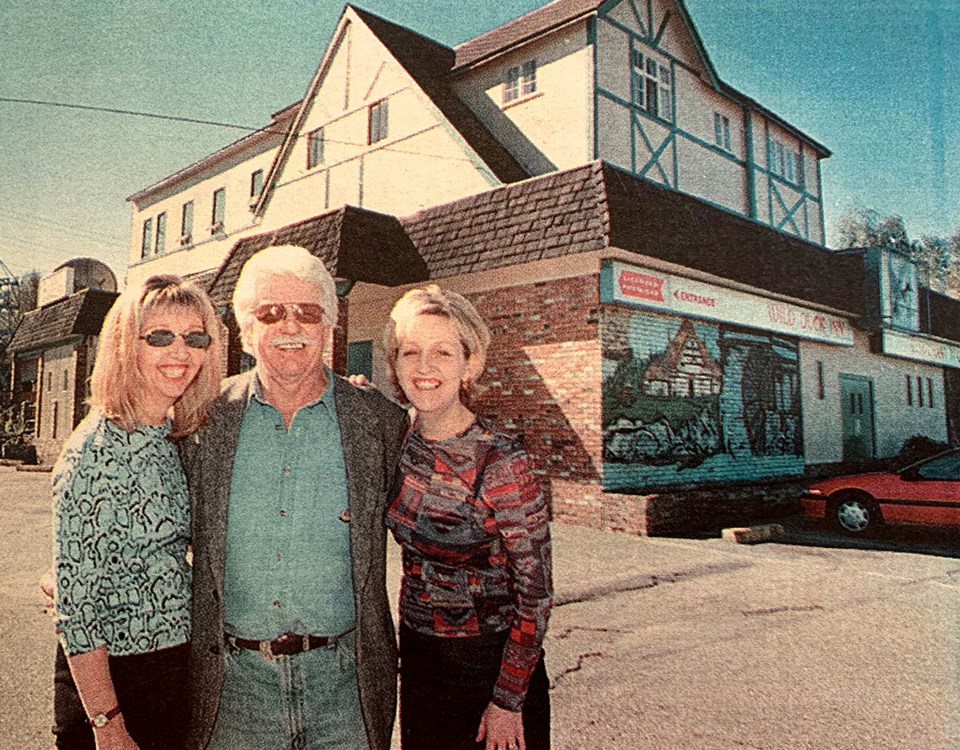
For better or worse, the Wild Duck Inn was a local landmark.
Tucked next to the Lougheed Highway where it meets the Mary Hill Bypass in Port Coquitlam, the Tudor-style tavern was notorious for its exotic dancers and sometimes less-than-reputable customers. It was used to film a brutal rape scene in the 1988 Jodie Foster film, The Accused.
Other Hollywood stars who alighted its interior for various productions included Gwyneth Paltrow, Melissa Gilbert and Sean Penn, who scouted it as a potential set for a project he was working on with Jack Nicholson.
Using the money he’d made renting the facility to film crews, Kogler set out to reimagine The Wild Duck as an Irish pub and restaurant to be called Dublin Docks.
“We want to change the image of the pub,” Kogler told the Tri-City News, adding the makeover would honour his wife’s Irish heritage.
Instead of a brass pole atop a stage, Kogler said he planned theme nights and live music, as well as an upgraded menu.
“We’re going to get rid of the dancers,” he said. “We are missing 50 per cent of our population right now.”
By December, the last stripper had twirled around The Duck’s brass pole and many of its fixtures, like the giant map of Pitt Lake that had occupied a place of honour behind the bar for 20 years, were auctioned off.
In 2008 the pub was demolished to accommodate construction of the new Pitt River Bridge.
Protesters denounce the use of animals in a traveling circus visiting Coquitlam in 1995.
TRI-CITY NEWS FILE PHOTO/COQUITLAM ARCHIVES
Circus tigers and elephants attract animal rights protesters to Coquitlam
The circus came to town in the summer of 1995.
So did animal rights protesters.
“The only exercise they get is when they perform,” a director of the Vancouver Humane Society told the Tri-City News, adding the animals are often chained or in cages, standing in their own feces and urine.
But a tiger keeper for the circus said its six big cats, plus two lions, are well-cared for.
“If this animal was mistreated, he would be cowering now,” Chris Kilpatrick said of one of the tigers lolling in a cage outside the arena.
“I’ve had this guy since he was a day old. He’s like a member of my family.”
Kilpatrick said the tigers travel and perform for five months of the year and get two days off a week. They spend the rest of their time at a ranch in southern California where the better-behaved cats are allowed to road free.
But the protesters said such assertions are little comfort.
They said they planned to lobby Coquitlam council to ban circus animals in the community and pressure operators to send them to sanctuaries to live out their lives.
“I’m convinced as more and more municipalities stop these shows, these facilities will be made available to animals,” said one.
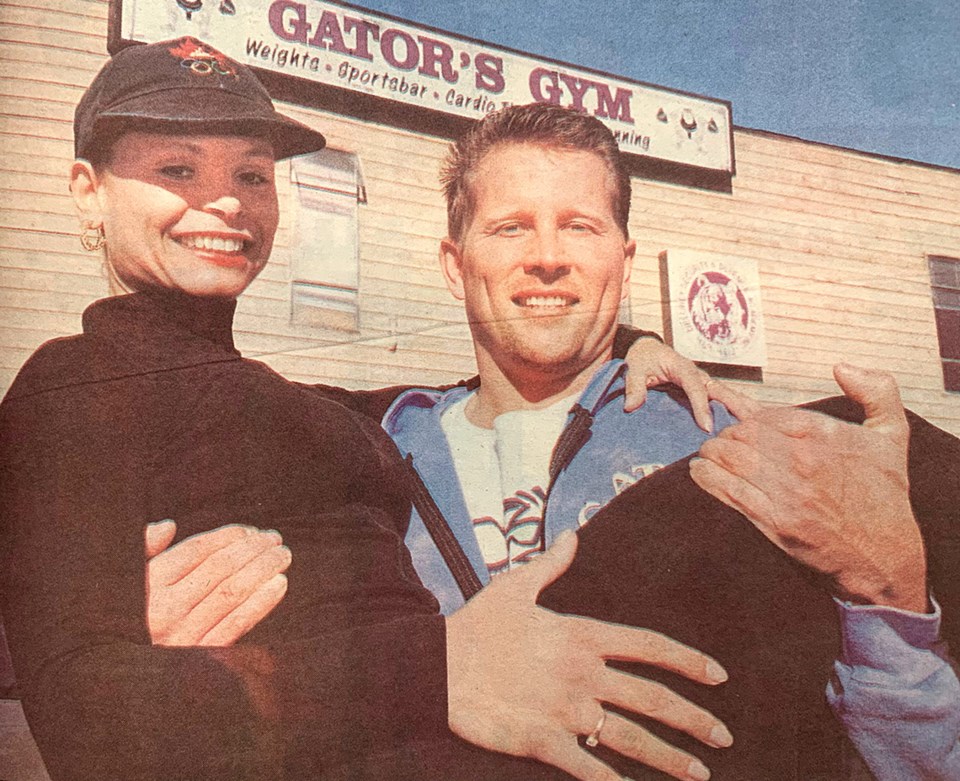
Gator’s Gym owner Kai Heinonen and personal trainer Monalee Blu chased down a would-be thief who tried to lift some personal effects from lockers in March, 1997.
TRI-CITY NEWS FILE PHOTO/COQUITLAM ARCHIVES
Don’t mess with Port Moody’s repetition man (and woman)
A would-be thief might have been reconsidering his career and lifestyle choices after trying to abscond with some personal effects from a Port Moody gym in March, 1997.
The out-of-shape bandit faced several charges and his parole from a previous conviction was revoked after he was chased down by the owner of Gator’s Gym, Kai Heinonen, and one of its personal trainers, Monalee Blu.
The alleged thief was trying to get away with keys and a wallet he’d pilfered from Blu’s locker.
Blu had just finished an hour-long cardio workout when the incident occurred.
While Heinonen was tending to a prospective client who may actually have been a decoy, the suspect secreted into the locker room area, cut a lock and lifted Blu’s fanny pack that contained her car keys and wallet then left with his accomplice.
Blu noticed the theft immediately. She advised Heinonen. They saw her car was still parked out front, but with a stranger in the driver’s seat, trying to get it started.
Blu ran out to confront the thief, and when he tried to flee, she kneed him in the groin, causing him to drop the keys. As she went to pick them up, the suspect hightailed it on foot.
Heinonen, who was watching the scene play out from inside the gym, immediately gave chase, joined by Blu.
They quickly caught their winded quarry and pinned him to the ground until police arrived.
“If I had to chase him to Timbuktu, I would have,” Blu told the Tri-City News.
“It was pretty wild,” said Heinonen.
Contestants for the Mr. Millennium pageant kick their training into high gear.
TRI-CITY NEWS FILE PHOTO/COQUITLAM ARCHIVES
Fundraiser for Port Moody hospice project turns the tables on beauty pageants
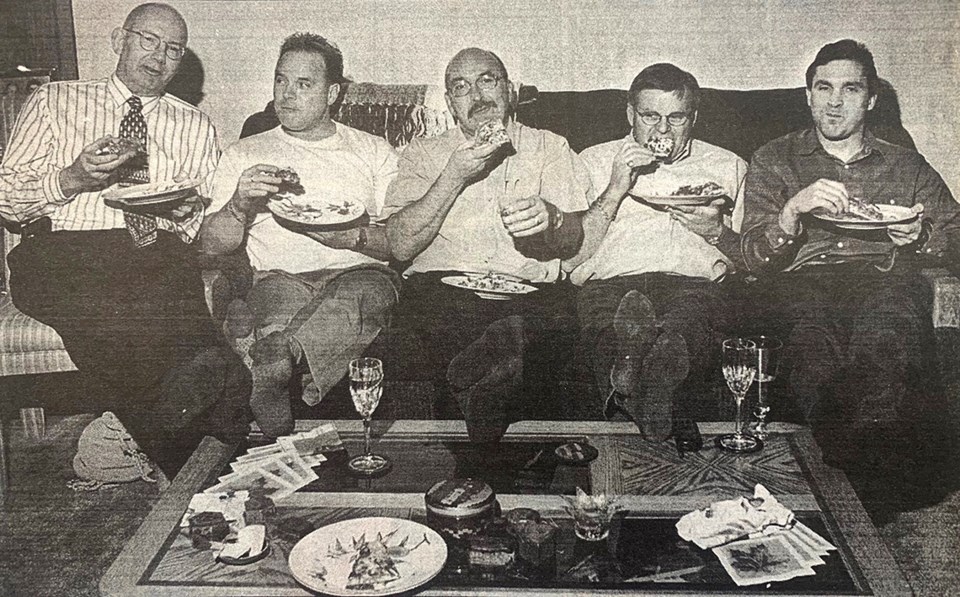
Stuffing slices of pizza and drinking beer may not be a part of the training regimen for most pageant contestants.
But the seven local businessmen vying to be named “Mr. Millennium” were doing their best to increase their girth — er, worth — prior to the unique fundraiser event for the Crossroads Hospice Society, which, in 2000, was in the planning stages for construction of its new $1.5 million-facility near Port Moody’s Eagle Ridge Hospital.
The contestants — three of them single — would compete in fashion modelling, beach and formal wear, impromptu questioning and talent, with the winner representing Crossroads at local functions through 2001.
“The guys are really excited about this,” said Linda Kozina, Crossroads’ executive director.
“They’re training to get in shape. And we’ve already got a waiting list for next year’s pageant.”
A commuter ferry service that transported passengers from Rocky Point Park in Port Moody to the Sea Bus terminal in Vancouver lasted less than a month in 1994.
TRI-CITY NEWS FILE PHOTO/COQUITLAM ARCHIVES
The commuter ferry service from Port Moody to Vancouver that didn’t last a month
Long before SkyTrain and West Coast Express carried commuters from the Tri-Cities into Vancouver, the owners of a 60-foot tunnel-hulled ship called Pride of Vancouver were getting ready to launch their own private service.
James MacMillan and Vancouver doctor William Chan proposed twice daily sailings between the pier at Port Moody’s Rocky Point Park and the SeaBus terminal. The 55-minute journeys would depart at 7 a.m. in the morning and return for Port Moody at 5:30 p.m. The trips would cost $4.50 each way, or $165 for a monthly pass.
In a presentation to Port Moody council, MacMillan said the service needed 50 passengers each way to break even, but he hoped to attract up to 150. He said he planned to launch on Jan. 24, 1994.
But some councillors weren’t so keen on passing a bylaw that would grant the Pride of Vancouver permission to use the pier and set docking fees for the craft and parking rates for passengers. They were concerned the commercial enterprise wouldn’t be an appropriate use for the public park.
Others — led by then-Mayor John Northey — said the effort to provide an alternative way for commuters to get to Vancouver and ease traffic congestion was laudable and worth granting the company use of the facility for a trial run lasting into May.
The bylaw ultimately passed on Jan. 24, and a week later the ship had its maiden commuter voyage with only 12 passengers and a contingent of reporters, photographers and camera operators from several media outlets.
Slowed by an incoming tide, the craft arrived in Vancouver 16 minutes late.
It may have been an ominous omen.
A week later MacMillan was offering free rides and adjusting his schedule to get passengers into Vancouver and back to Port Moody earlier.
“Everybody has said our times are wrong,” he told the Tri-City News.
But even those adjustments weren’t enticing enough to get commuters out of their cars.
MacMillan lowered the fare to $3.50 each way and even threw in a free B.C. Transit transfer in an effort to build traffic.
Less than a month after it launched, though, the commuter ferry service was sunk.
Its last voyage carried 26 passengers — more than the average load of seven a sailing it carried in its final week, but far less than the craft’s capacity of 200.
Port Moody could soon become the first municipality in British Columbia to compel new grocery stores participate in a local food recovery program.
Tuesday, April 22, council will consider a motion by Mayor Meghan Lahti that staff report back with a city policy requiring all new grocery stores partner with a recovery program to distribute food that would otherwise be thrown away to local charities and non-profit organizations.
Currently, participation by grocery stores in such food recovery efforts with organizations like the Food Link Society is largely voluntary.
Lahti said with three new grocery stores planned as part of major development projects in Port Moody — downtown, the Inlet District and Portwood — the time is right to get them on board.
“From a municipal perspective, these programs are best initiated at the outset through policy,” she said in a report. “It will be important to implement this policy as soon as possible to ensure that this requirement is understood prior to negotiation with any potential grocery store provider.”
Lahti said food recovery programs help reduce food waste, increase food security, save grocery stores money on their disposal costs and reduce greenhouse gases.
One million kilograms of rescued food
Igor Bjelac, the director of the Food Link Society, said his group currently serves 11 communities from 29 distribution points around the Lower Mainland. Last year it rescued a million kilograms of edible food that otherwise would have been sent to a landfill.
He said a policy making new grocery stores in Port Moody participate in food recovery programs would be a huge boost.
“It would reduce the time and effort we currently spend persuading stores to come on board,” Bjelac said. “Instead, we could focus our energy on expanding services — like increasing the number of families we serve, boosting meal production in community kitchens, and supplying even more food to schools and housing facilities.”
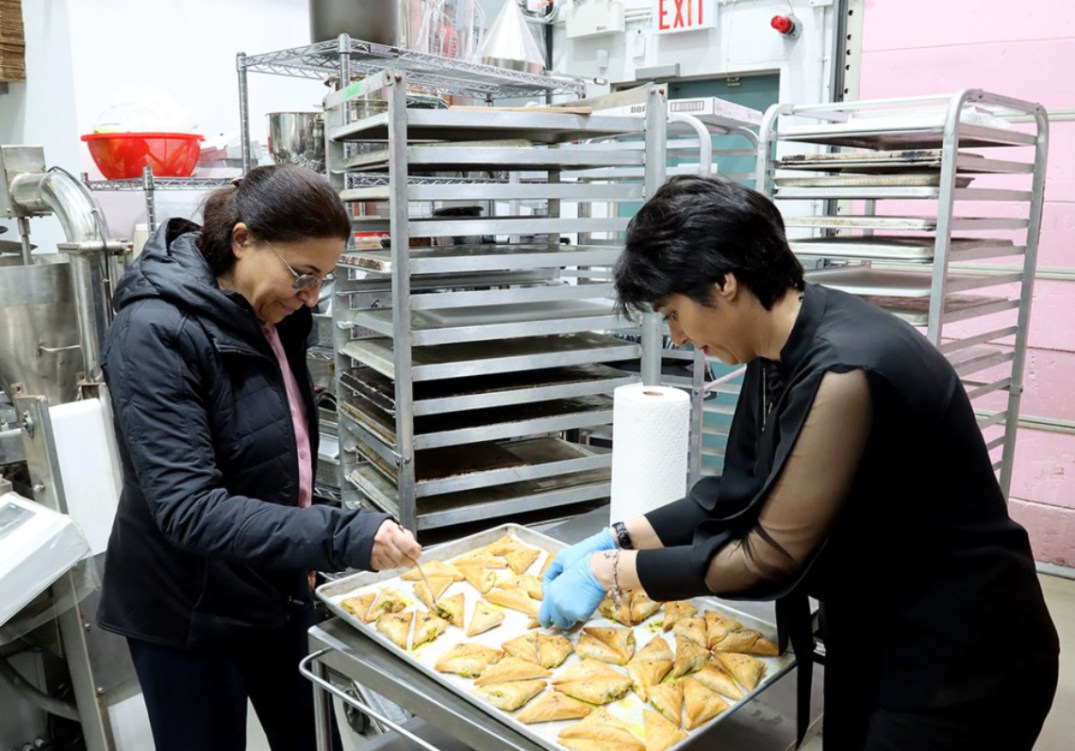
In February, Food Link opened a community kitchen facility in a Coquitlam industrial park that will allow volunteers and professional staff to transform imperfect vegetables and fruit, as well as other staples nearing their best before date, into healthy meals, appetizers and snacks to be distributed to local families in need.
Cassie Neigum said she’s seen first-hand the benefits food recovery programs can have in the Coquitlam middle school community where she teaches.
“You can’t teach kids if they’re hungry,” she said, adding the number of families at her school who receive hampers of food items recovered from local grocery stores increased from 32 to 52 in just the past year.
“Kids can’t learn in class if they’re concerned about where their next meal is coming from.”
This story was first published by the Tri-City News
Port Moody’s Brewers Row is getting smaller.
But the number of individual craft breweries will stay the same.
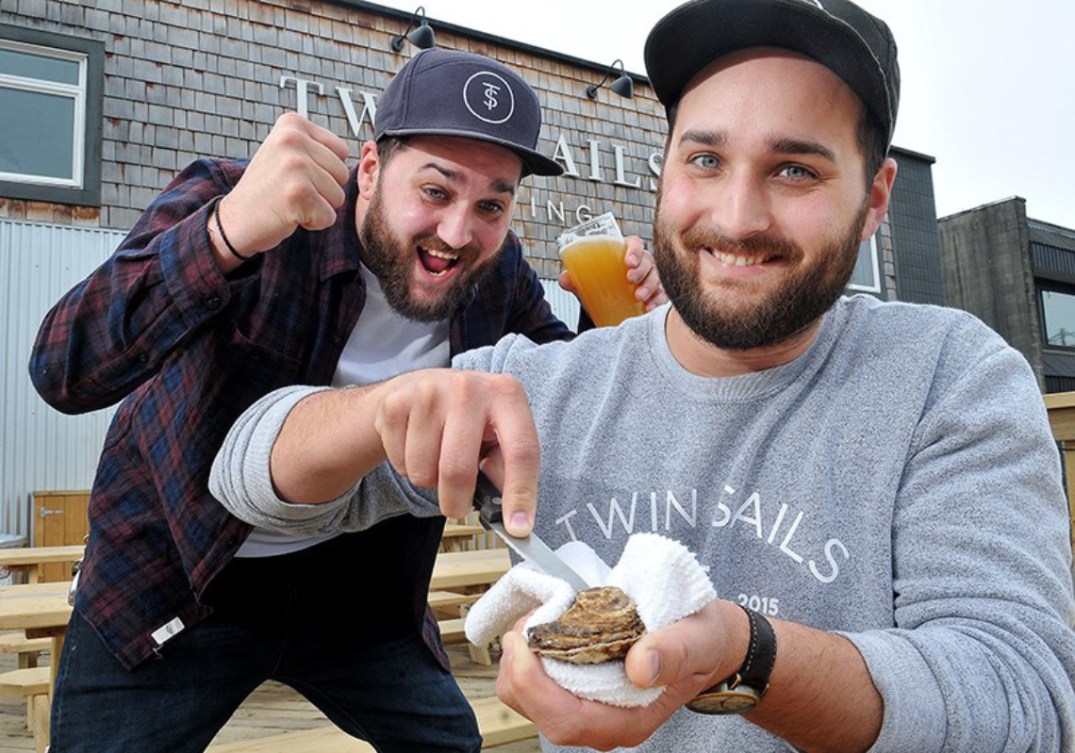
Brave Brewing and Twin Sails are merging.
The Site B community space and The Fountainhead Network co-working space will also operate under the same umbrella.
Tech entrepreneur Chris Peacock, who’s part of a group that owns Brave and Site B, said the consolidation will to build community through the business partnerships.
“Our reason for being has always been about community and community thrives when the desire to buy, support and say local is paramount,” he said.
Twin Sails’ Clay Allmin said joining forces with Brave is better than the alternative, as the craft brewing industry in British Columbia faces challenges like higher costs and changing consumer tastes. Several breweries have closed in recent years, such as Studio in Burnaby and Broadway in Port Coquitlam, while others like PoCo’s Taylight and Train Wreck on St. Johns Street have changed ownership.
“This consolidation allows us to push forward and scale our ability to offer high quality, locally crafted places and products to our community,” Allmin said.
He added Twin Sails will use Brave’s excess brewing capacity to launch new products while its sales team will be able to help promote and improve distribution of its new sister brewery’s beers.
“This opportunity allows both breweries to get back to their roots of creativity and providing customers a unique experience every time they come to our tasting rooms,” Allmin said.
Mike Arboit, co-founder of The Fountainhead Network, said tightening his alliance with the breweries and the Site B event space with which he shares a warehouse on Murray Street, strengthens the collaborative eco-system he’s been trying to build where work, play and community engagement co-exist and help boost each other.
“This merger will create the time, resources and confidence to grow,” said Arboit, who’s also promoted professional wrestling events at Site B.
The event space was recently granted a three-year extension of its temporary use permit by the City of Port Moody and several members of council said the concept has been such a success hosting gatherings like holiday sales, weightlifting competitions, long-table dinners, wedding receptions and even roller derby, they’d like to see the arrangement made permanent.
Peacock, who co-founded tech start-up Traction Demand that grew to more than 1,000 employees before it was acquired by Salesforce Professional Services, said he’d like to bring the concept to other communities.


























 MARIO BARTEL