This story originally appeared in the Tri-City News
A Coquitlam student who’s endured cancer three times is hoping some of her darkest moments will help light the way for other young people going through a similar health challenge.
Julia Dawson, a Grade 12 student at Dr. Charles Best Secondary School, has created a workbook for cancer patients and their families embarking upon Car T-cell therapy to treat their disease.
It’s a new regimen that uses a patient’s own T-cells to identify and destroy cancer cells with the help of genetic engineering.
Dawson had already beaten leukemia twice when doctors determined her third round with the disease was resistant to conventional chemotherapy.
Instead, they recommended removing T-cells — a type of white blood cell that fights infection — from Dawson’s body and retraining them to attack cancer cells before reinjecting them back into her bloodstream. While Car T-cell therapy has been in clinical trials at Seattle Children’s Hospital since 2018, it was still new at BC Children’s Hospital.
Few resources
Dawson would be among its first candidates for the procedure. She said she didn’t know much about the unique therapy going in. Nor did her family, and the all the research they did on the internet just turned up highly technical articles from medical journals. Even her doctors weren’t quite sure what to expect for things like side or long-term effects.
“There was not a lot of resources,” said Dawson. “I was scared, but the doctors were optimistic.” To remove her T-cells, Dawson was hooked up for four hours to a large device that “looked like a washing machine” by a tube inserted in her neck. Several weeks later the engineered cells were reinjected through a port in her chest. Then she had to stay in isolation in the hospital for a month rebuilding her immune system.
During that time, Dawson said she asked the nurses and doctors a lot of questions. She made notes of how she was feeling, the fevers and loss of memory and occasional anger and fear she endured. Dawson said the experience was “like going through a bad flu.”
But she also knew what she was experiencing could be invaluable to someone else about to undergo the same treatment asking the same questions she’d had.
“I want to make sure others have the information so they don’t feel totally alone,” Dawson said. Back at school and feeling better, Dawson pitched the idea of the workbook as her senior year Capstone project. It includes pages with information about the Car T-cell therapy, its side effects and symptoms, a pain chart and various activity exercises to help manage feelings of anger and frustration.
Dawson said she vetted the more clinical elements of the workbook with her doctors and nurses to ensure the information was accurate.
‘It really helps’
She said putting it together helped ease her own journey.
“It really helps by just putting it into words,” Dawson said, adding it also kept her positive and hopeful. “You realize things you’re going through are normal.”
Dawson said she prepared workbooks for youth counsellors at Camp Goodtimes, a special summer camp for young people living with cancer. BC Children’s is also including copies in a special welcome package for new Car T-cell patients and the hospital is in the process of securing grants to print more copies and distribute them to other institutions across Canada offering the therapy.
Dawson said the project has fuelled her determination to pursue a career in health care that begins when she heads to Simon Fraser University next fall to study health sciences.
“I want to help others know it’s going to be OK.”.
This story originally appeared in the Tri-City News
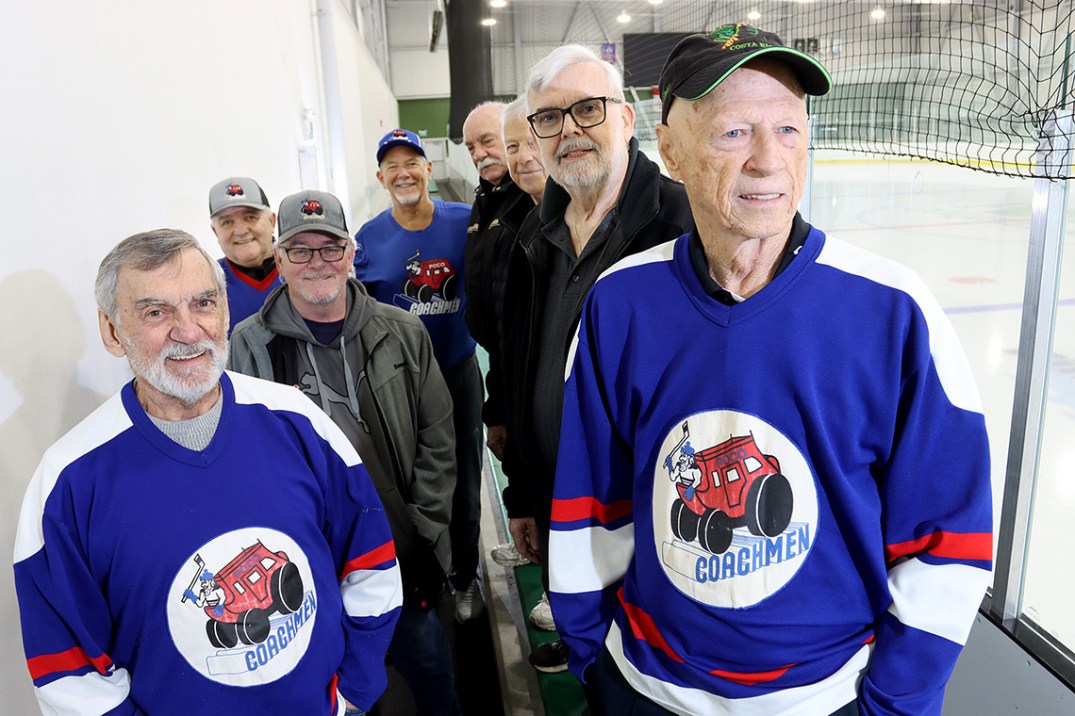
What began as four minor hockey coaches taking advantage of some unused ice time at the old Port Coquitlam Rec Centre to stretch their own legs is celebrating its 50th anniversary on March 15. The PoCo Coachmen have never been part of an organized league. Rather, the loose collection of players aged 35 and over has gathered weekly to get some exercise, make friends, swap stories and drink beer. The game was always incidental, said 82-year-old Don Sanbourin, one of a dwindling handful or original Coachmen who total about 150 through the years. “The group has always emphasized having a good time.” The games the Coachmen play are informal affairs with the weekly turnout of about 30 splitting into two squads to knock the puck around for an hour or so. One player from each side is tasked to keep score and if the game is tied when their ice session expires, it’s next goal wins. There’s no body contact and slap shots are forbidden. “We all have to go to work on Monday,” Sanbourin said.
Tournament tests The group does travel annually to places like 100 Mile House, Hope, Seychelt, Chilliwack and Ashcroft to test themselves in tournaments with more organized beer leaguers, but as far as any of the Coachmen can remember, they’ve won very few games. The competitions that coincided with a women’s curling bonspiel are especially memorable, said one. “They sure know how to party.” Sanbourin said over the years, the Coachmen have hailed from diverse backgrounds, from tradesmen to professionals, from newcomers in town looking for a game to millionaires. They’re equalized by nicknames like “Frog,” “Bedbug,” “Fossil” and “Green Hornet.” “In the dressing room, everyone is the same,” Sanbourin said.
Fitting in Every Coachman serves a one-year “apprenticeship” to ensure they fit in with the group, which votes at its annual post-season meeting to determine whether a rookie can stay. As far as Sanbourin can remember, only two prospective Coachmen never made the cut. Victor Kryzanowski, 63, said the Coachmen have given him the same sense of small-town camaraderie he felt growing up in Saskatchewan. Friendships form quickly on the ice and in the dressing room and with such a broad range of players, there’s always someone with a skill or trade who can help out a teammate in need, whether it’s with carpentry, plumbing or bookkeeping affairs. “The hockey was almost an afterthought,” Kryzanowski said. Phil Gallagher, 72, said he still attends all the Coachmen’s social gatherings like the annual alumni pizza night even though he stopped playing at the onset of the COVID-19 pandemic in 2020. Gallagher said from the time he joined the team in 2003, he knew he’d found his tribe. “Right away you made friends here,” he said. “You identify as a Coachmen.”
Pandemic challenge Sanbourin said the pandemic and the consequent shutdown of sports facilities because of public health restrictions was a test for the Coachmen. He said the group kept paying for its regular ice time even though the rinks were closed and they couldn’t play because they knew if they ever lost their regular slot on Wednesday nights at 9:30 p.m., they’d have a hard time getting it back. Stuart MacInnes, 69, said the physical and mental health benefits of the weekly games are immeasurable. A Coachmen since 1998, he said getting on the ice takes him back to his younger days playing hockey in Ontario but the real fun occurs before the opening faceoff and after the final whistle. “It’s a joyous change room,” MacInnes said. “It’s so nice to hear what is going on in everyone’s life and commiserate with each other.” Sanbourin said as with any group that’s grown old together for so long, some players have finished their ride on life’s Zamboni. The absences are duly noted on the reams of annual lineups he keeps safeguarded in clear plastic sleeves stored in a manilla folder, a reminder of the strength and ultimate fragility of the bonds they’ve formed. “It’s a community,” said Kryzanowski. “It’s a privilege,” added Gallagher.
Churning out three or four stories a day to feed the web beast can be a grind. You bust a hump crafting a feature that quickly gets buried by a rewritten press release announcing the opening of a new doughnut shop. Some days it’s a struggle to stay motivated. If we’re not writing about doughnut shops, is anybody even paying attention? But then, along comes an opportunity to share something really unique and fun and it reinforces why we got into this business in the first place and the important role local news plays in building community. This story, about a Port Moody family that set out to make a Christmas movie together, started as an email with a link, asking if we’d be interested. How would we not, even if it doesn’t involve doughnuts.
Most families looking for a holiday season activity to do together might go to a tree lot to pick out their Christmas tree for the living room. Or build a gingerbread house.
The Ortiz family from Port Moody made a movie.
Their production, Saving Christmas, is now available on digital platforms like iTunes, Vimeo, Amazon and Google Play as well as cable providers, Bell, Rogers and Shaw.
How it got there is a “like a Christmas miracle” in itself, said Luiza Ortiz, one of the film’s writers.
The idea started as a fanciful notion by her dad, Marcelo, who works as a digital animator in the film industry. He said he’d always been curious about the craft of live-action filmmaking since he first saw Star Wars as a child growing up in Brazil.
“I threw out the idea to the family to make a movie,” Marcelo said. “It would be doable.”
His wife, Beatriz, was receptive.
Their son, Ricardo, is an actor and she’d accompanied him to sets when he was younger so she knew her way around the business and had forged numerous contacts who could help guide them in the right direction.
And Luiza has taken a couple of elective courses in screenwriting while studying English literature and political science at the University of British Columbia.
The family batted around ideas. They considered a drama or horror film but their budget was small and the bulk of the filming had to be done in and around their Ioco Road home.
A small, heartfelt Christmas story seemed the best fit for the family’s skills, budget and Marcelo’s ambitions. Pre-production involved months of script writing and refining, casting 25 actors, scouting locations in Port Moody and Maple Ridge, arranging for equipment and permits, along with assembling a crew of 30-50 — most of them extended family, friends in the industry as well as students from Vancouver Film School and the film program at Capilano University.
SUMBITTED PHOTO On the set of Saving Christmas at Heritage Woods Secondary School in Port Moody.
Marcelo said what anyone lacked in experience or in-depth knowledge, they more than made up with passion and enthusiasm.
“We had such a phenomenal crew,” said Luiza.
Three weeks of filming was scheduled in December, 2022.
Beatriz said that’s usually a quiet time for the film industry locally so pro members of their crew could be readily available.
But a snowstorm almost derailed the first two of 15 shooting days.
Other setbacks also popped up.
Arranging insurance for the production took longer than expected.
A scene in a grocery store had to be rewritten when an actual grocery store couldn’t be secured at a price the production could afford.
“It was a little bit crazy,” said Marcelo. “Problems will come every day and you have to stay positive to find solutions.”
“There’s no time to complain,” added Beatriz.
But, said Luiza, the speed bumps created a kind of “brothers-in-arms” vibe on the set, pulled everyone closer together to find a way to see the project through to its conclusion.
“It really forced us to be creative,” she said. “That made the movie better.”
SUBMITTED PHOTO Ricardo Ortiz plays NIck, a 16-year-old teen who unwittingly cancels Christmas then must find a way to restore the holiday in his family’s film production, Saving Christmas.
Post production of the film took the better part of a year.
Marcelo watched YouTube videos to learn how to use the software required to craft 24 terabytes of digital footage into a 104-minute film. A friend did the colour correction. Another did the sound mixing and an old friend from Brazil composed the sound track.
Getting the film done was only half the battle though. Ensuring it gets seen presented another challenge.
Marcelo researched distributors on the Internet Movie Database Pro (IMDB) website. He sent out dozens of emails, talked to about 50 companies, delivered several copies of the movie. Many inquiries went nowhere. But there were offers and an executive producer finalized a deal with California-based Vision Films. Saving Christmas premiered two weeks ago at Vancouver Film School.
It was the first time much of the cast and crew were together again in almost two years.
Marcelo said his heart filled with pride to see the fruits of their little family project projected on a big screen.
“It looks like more than we expected,” he said of the film. “Everybody put a little love into it.”
I learned this morning a photo I’d shot last year was recognized by the Canadian Community Newspapers Association as the top feature photo of 2023. Normally I don’t pay much heed to such things. At the behest of my editor, I dutifully compile some possible entries, submit the required information and then forget about them. But this one hit a bit differently. Not only did this photo involve one of my favourite people, Chris Wilson, whom I’ve covered at different stages of his career since I first arrived at the Tri-City News in 1991 when he was an Olympic wrestler, then as a Coquitlam city councillor and now an advocate for youth sports, but it’s also a bit of a swan song for our existence as a print newspaper. How the various community newspaper associations manage their annual awards programs as more and more newspapers move exclusively online is still a bit of an unknown. But as so many papers have closed, and staffs diminished, so has the level of competitiveness to win awards. Especially when it comes to photos. There’s now so few full-time photographers still employed at newspapers, the cream quickly rises to the top. And while there’s still some decent photos captured by reporters doing double duty, the quality of entries across the board is not like it was when there were so many more photojournalists plying their trade at chains like Metroland in Ontario, Black Press and Postmedia in the Lower Mainland as well as pockets of larger community papers in Alberta and Quebec. The shift of papers to digital has also widened the gulf. As much as the digital realm can bring advantages like immediacy and opportunities for engagement, most news websites don’t do photos well. Templated designs tend to demand uniform sizes and formats for photos; RIP the vertical photo. There’s also so many stories crowded onto home pages, photos run small; a thumbnail just doesn’t have the same impact as a five column image across the top of a story. And linear photo galleries completely dismiss the role editing and design play in visual storytelling. It wasn’t supposed to be like this. In the early 2000s, I can remember many conversations over beers with my colleagues during which we mused the internet would be our time to shine. We were already doing most of our editing and production work on the computer and our photos looked great on a Mac monitor. Plus who doesn’t like looking at good photos and with the unlimited capacity of the web, we could share so much more of our takes with readers. Design programs like Macromedia Flash also made it possible to add music, commentary and other visual elements to a photo presentation to create true multimedia storytelling. But such efforts are labour-intensive, something our declining industry says it can no longer afford. The Toronto Star’s visually-rich tablet-based Touch initiative died less than a year after it was launched, a victim of its high cost to produce. Even giants like the New York Times and the Washington Post have reduced the volume and sophistication of their online visual storytelling in the time I’ve been a subscriber. And with fewer photojournalists flying the flag for quality photos, editors are only too happy to run poor-quality submitted photos or — worse — generic stock photos, just so long as stories get posted online as quickly as possible. It’s a death spiral that further diminishes our connection to our communities and lowers the standard of the product we provide. And flies in the face of what awards are supposed to represent.
I spent much of last week covering the Minto Cup national junior lacrosse championship in Coquitlam. For months, it was touch and go whether I would even bother putting in the extra time.
Since the Tri-City News ended its print newspaper a year ago to exist exclusively in the digital realm, the message from management has been to produce stories that will drive eyeballs to our website.
And according to Google Analytics, those stories tend to be about donut shop openings, crime and tragedy, like a fatal car accident or fire.
But those kinds of stories don’t happen every day.
So we dutifully go about our business trying to keep our community informed about civic affairs, as well as local social issues and events that affect readers’ lives and bring people together and hope somebody reads them.
But with analytics breathing down our necks every time we click the PUBLISH button on our website’s content management system, we’re often forced into making uncomfortable decisions about what we choose to cover and how to manage our time, based not on a story’s newsworthiness or potential impact on readers’ lives but its ability to drive page views.
A story about a community-altering development project coming before city council can take hours to develop — reading and distilling the staff report and recommendations, maybe talking to the proponent for further background and comment, watching the actual council meeting — and it might move the hit-o-meter on the website a few views.
But spend 10 minutes spinning an Instagram post about the upcoming grand opening of a new donut shop in town, bolstered with a bit of background, and reader response goes off the charts.
Maybe it was always this way in the print days.
Maybe we’d been devoting time and resources to deep stories editors deemed important to the community to fill the front end of the newspaper only to have readers fly right past them to the fluff pieces buried further into its pages. We just had no way of knowing.
Whither the sports page?
Sports coverage has been a particular casualty of Google-driven journalism.
Sports has always had a specific audience and now that we can measure exactly what it is, many publications have deemed it no longer worthy of the investment of time and manpower.
Sports reporters have become the new photographers, cast off by their employers to the unemployment lines in the never-ending purge of newsroom resources deemed expendable in the name of retaining profits.
A colleague who’s worked at the downtown daily for 20+ years has seen his sports department diminished to just three, all on orders to cover the local NHL team because they’re the only stories that move the needle on the website.
Other publications have removed the Sports tab from their website entirely.
Since being retrenched to the newsroom from the darkroom in my own career, I’ve always tried to keep sports coverage alive by doing it off the side of my desk. I think it’s one of the cornerstones of community journalism, plus it’s fun to do.
That’s meant chasing features that can be easily fit around my other responsibilities but also have a greater chance of finding readers that otherwise wouldn’t be inclined to spend time with a game report. Besides, anyone interested in the outcome of a game these days will likely already know the score and what happened by the time I can file a story about it.
That championship feeling
The only time I stray from that formula is championships.
Those are a chance to practice deadline journalism that gives readers more than they’ll ever get from an Instagram post and, with a bit of planning and precise execution, even before there is a post on Instagram.
The Minto Cup presented just such an opportunity.
After shooting the opening period of a couple of preliminary-round games earlier in the week and keeping our readers apprised with quick-and-dirty stories written from the boxscores, They achieved the expected 150 or so page views each.
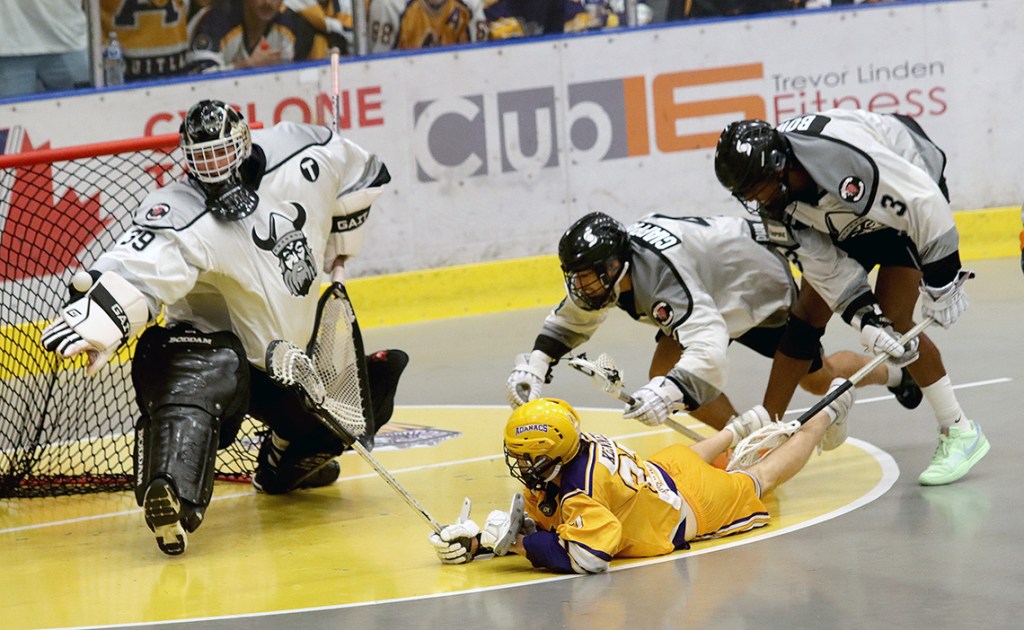
MARIO BARTEL/TRI-CITY NEWS Coquitlam Adanacs forward Cole Kennett is stopped by Orangeville Northmen goalie Connor O’Toole in the third period of their second game in the Minto Cup best-of-three junior national lacrosse championship series, Friday at the Poirier Sport and Leisure Complex.
But the second game of the best-of-three final would get the full-court treatment, as it could be the championship-decider. That meant getting to the arena an hour early to secure a workplace for my laptop, ensure the WiFi was in working order and create a placeholder on our CMS as well as write a boilerplate portion for photo captions to speed production later in the evening.
When the game started, I shot the first period from the concourse, then used the second period to download, process, caption and upload a first run of photos for the deadline story.
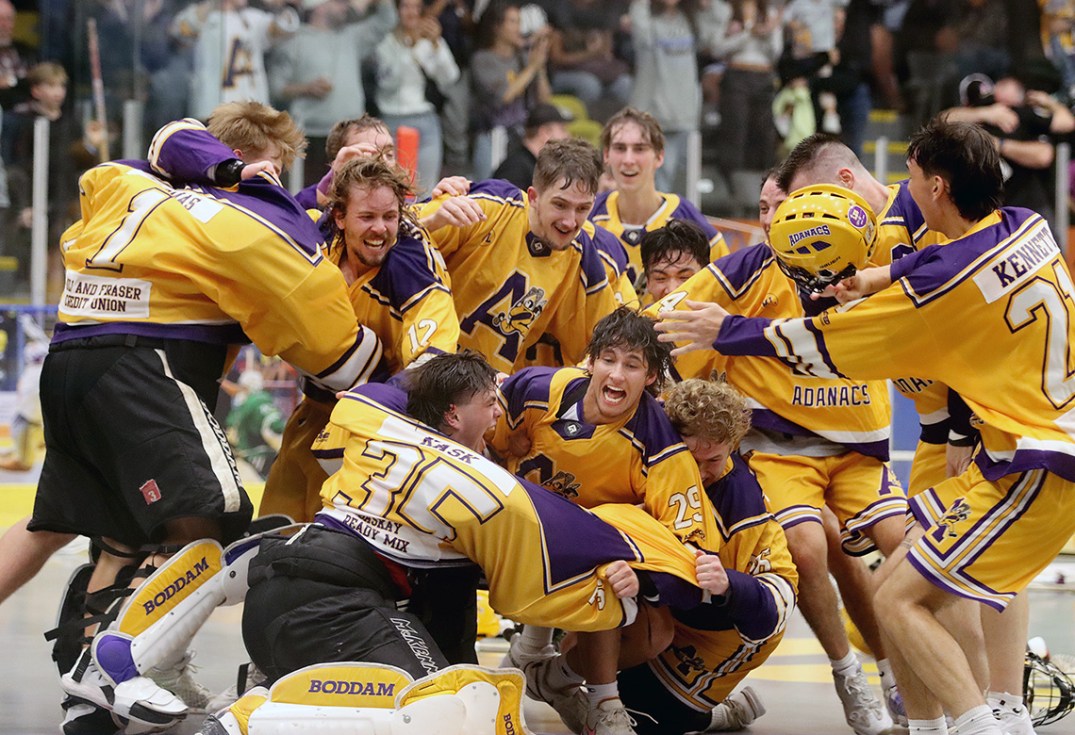
With the game still in the balance early in the third period, I again started on the concourse, then, as the result became more and more apparent, moved down to a better position to catch the immediate celebration and easily get onto the floor for the trophy presentation as well as coral a few comments for my story. The party was still in full swing when I retreated back to my workspace.
Forty minutes after the final buzzer, I had the story and first photo run up on our website, then a few more photos from the celebration about 20 minutes after that. By the time I was able to pack up my laptop to head home, it was five hours since I’d first arrived at the arena. That was on top of my full shift earlier in the day.
Was the investment worth it?
The next day, our coverage of the final peaked at the No. 2 spot in our “Trending Stories.” But it never could pass the rewrite of a cop press release about a theft bust I’d knocked offer earlier in about 15 minutes.
Even in this day of analytics-driven journalism that rewards page views more than fullsome reporting, most journalists still feel a responsibility to tell stories that are important as best we can, even to a small portion of our communities. Because all those stories taken together contribute to our sense of community, one of the most important roles local news can play.
Donut shops come and go, but community endures.
MARIO BARTEL/TRI-CITY NEWS The Coquitlam Jr. Adanacs and their fans celebrate a third period goal in the second game of their best-of-three Minto Cup championship series, Friday at the Poirier Sport and Leisure Complex.
Early in the COVID-19 pandemic, I wrote a story about a local woman who was one half of the Room Raters, a Twitter account that went viral with its witty and sometimes cutting commentary about decor and the backgrounds of Zoom and Skype interviews on TV with pundits, politicians, experts and commentators on cable and network news stations like MSNBC, CNN, FOX and ABC. We were all feeling isolated and fearing the future. But the Room Raters brought some light to the darkness. It also brought its perpetrators a measure of internet fame and eventually a book deal. Recently, though, I found out about an unexpected twist to their story.
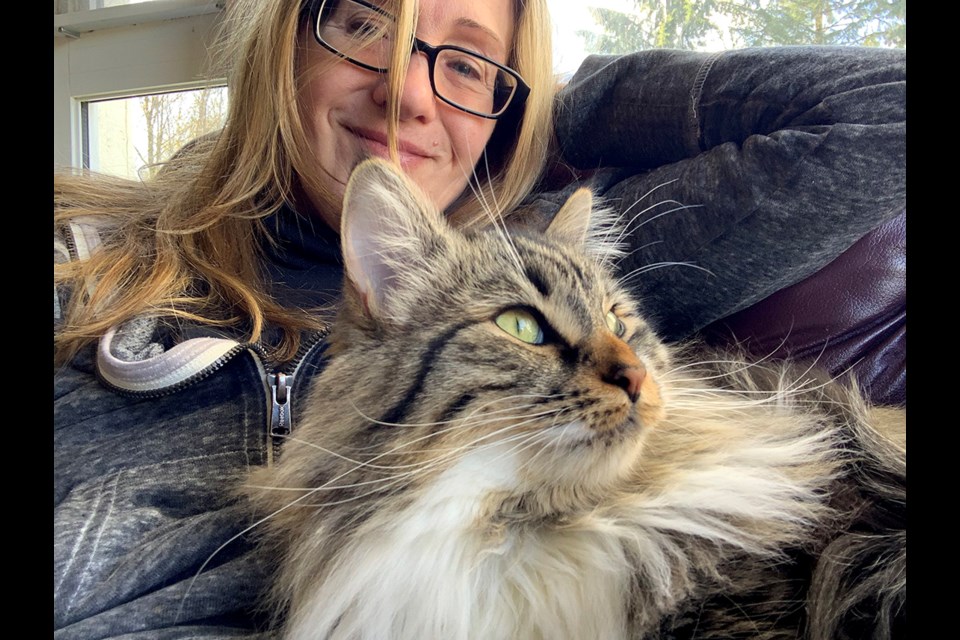
A Port Moody author is crediting her cat with possibly saving her life.
Jessie Bahrey says the insistent cuddling and kneading at her chest by her two-year old cat, Ella, helped alert her something wasn’t quite right as life events kept delaying her biennnial appointment for a mammogram. But when her left arm started to inexplicably ache she procrastinated no longer.
Sure enough, the scan showed two tumours in Bahrey’s left breast, exactly where Ella had been “making biscuits.”
Bahrey said she has no history of breast cancer in her family, and her own regular self-examinations revealed nothing untoward. But when she told her doctor of Ella’s role in fuelling her concern, they expedited the biopsy that would be needed to diagnosis the nature of the tumours and plot a strategy for their treatment.
Bahrey said she was taken aback by the sudden reversal in her life that had been an unlikely whirlwind for much of the previous three years.
Pandemic phenomenon goes viral
Bahrey, who’s an office manager at a Port Coquitlam garden centre, was at the nexus of a cultural phenomenon birthed by the onset of the COVID-19 pandemic.
Bahrey and Claude Taylor, who runs a left-leaning Political Action Committee (PAC), started putting their commentaries online, posting their observations, criticisms and suggestions on an X account (formerly Twitter) they called Room Raters.
Bahrey and Taylor’s targets ranged from musician John Legend and former First Ladies Michelle Obama and Hillary Clinton, to British Prime Minister Boris Johnson as well as commentators like Washington Post journalist Carl Bernstein and legal analyst Neal Katyal. Even the late Queen Elizabeth caught their attention.
Quickly, the Room Raters attracted more than 400,000 followers and sometimes their subjects quipped back, decrying a poor score, vowing to improve next time, celebrating a top rating or looking for tips to make their backgrounds look better.
The online attention led to a book deal.
When How to Zoom Your Room: Room Raters’ Ultimate Style Guide was released in June 2022, Bahrey and Taylor hit the promotion circuit, doing appearances on American and Canadian television and radio, being interviewed by the Washington Post and several podcasts.
It was, Bahrey said, “a lot of blood, sweat and tears.”
Winding down from the Room Rater whirlwind
When the hubbub died down, Bahrey went on holiday in Italy to decompress. Then her father entered hospice care and she said the impetus to schedule her mammogram appointment kept getting shuffled down her priority list. After all, she thought, she felt fine, she was running 40 kms a week and she had nothing to pique her concern.
Until feisty, aloof Ella suddenly became a cuddling comforter who always nudged her way up to Bahrey’s chest.
A 2016 study published in the veterinary medical journal, Frontiers in Veterinary Science, said dogs’ acute sense of smell can detect pathogens in humans like viruses and even cancers of the lungs, colon and breast. Some have been trained to sniff them out.
And while there’s been no formal research on the cancer-sniffing capabilities of cats, there’s no shortage of anecdotal evidence being shared on the internet.
A dour diagnosis
Bahrey said none of her doctors dismissed her story about Ella’s role in the eventual diagnosis of her triple negative breast cancer.
“It’s the bad one,” she added of the illness, referring to its predilection to grow aggressively and recur readily because the cancer cells lack estrogen or progesterone receptors and don’t make any, or very little, of a protein called HER2.
Bahrey calls 2023 her “cancer year.” She spent much of it recuperating from surgery, recovering from a super bug she caught along the way, getting radiation and chemotherapy treatment, trying to stay focused on the job of getting better.
Just before Christmas, Bahrey was able to ring the bell after her check up, the symbolic pronouncement that she was clear of cancer.
She said sometimes her mind reels at all that she’s experienced in the past few years — from the heady days of seeing her Room Rater posts retweeted by their famous subjects or referenced on national television to the dark days of uncertainty and feeling ill from the medicines that were hopefully killing her cancer.
“It was almost too much to have in my head,” Bahrey said, adding her Room Raters experience helped her weather some of those storms as people who’d received their critiques or were just fans checked in on her. One, MSNBC medical correspondent Dr. Vin Gupta, even acted as her second opinion, deciphering test results, offering his thoughts on her course of treatments.
“My sadness turned to gratitude for the relationships I’ve nurtured,” she said.
Drawing strength
Bahrey said she was able to draw strength and confidence from being interviewed by media personalities and interacting with them online to advocate for her own care.
Room Raters is now mostly in Bahrey’s past. She still touches base with Taylor, who’s taken over posting the majority of the critiques and political barbs. But Ella has become the star of her own social media posts.
“She’s a force of nature,” Bahrey said, adding since she got the all-clear from her doctors, the feline has returned to her former distant demeanour.
For the second time in less than eight years, I’ve had a newspaper closed out from under me. Although the demise of the Tri-City News is confined to its weekly print edition; we’re still going to be publishing online.
That means I’m still employed; nevertheless, the loss of a physical paper hits hard.
I landed at the News when I came west in 1991. Back then it was crazy, busy market that was growing exponentially. We went from publishing two editions a week to three to three plus a special insert. Papers were bursting with pages and thick with flyers. The Classified ads usually ran eight to 10 pages.
To help fill all the spaces between ads, we were six photographers deployed seven days a week to cover events from the Vancouver-Burnaby boundary to the far rural reaches of Maple Ridge, from eight in the morning until eight or nine in the evening. We had a studio, film lab and two darkrooms — one for printing colour and another for B&W.
Some of the photos I shot in my first few months at the Tri-City News back in 1991 and now digitally preserved by the Coquitlam Archives. Without them, people living in the area today might not know the Golden Spike Days festival in Port Moody included go-kart races, or that sea lions swam up the Fraser River to chase oolichans and bask on the log booms. Moments like these are rarely covered by papers anymore because resources are too diminished.
Scrolling through the 30 or so web pages the Archive posted of those images on its website was a salve to the news from the day before. It was also a reminder of what we’ve lost as an industry, partly because of the communication revolution that was the advent of the World Wide Web, but mostly because of the newspaper industry’s inability to figure out how to exist alongside it.
With storm clouds for newspapers’ profit margins gathering, photographers were amongst the first to be cast aside. Mobile phones with integrated cameras were everywhere and images contributed by readers out and about, or reporters already at a story anyway, suddenly became “good enough;” who needs prima donna photographers driving around in their cars all day getting up to who knows what between millisecond shutter clicks.
But management’s assessment ignored our ambassadorial role. Because we were out there all day, every day, we became the face of the newspaper for much of the community. When someone called in to request coverage of a community happening, they usually asked specifically for a photographer to be sent. And when we were at such events, people would inevitably come up to ask if we could put their photo in the paper, not have them mentioned in a reporter’s story
Photographers’ presence in the community every day also gave us a unique insight into its rhythms and evolution, as even the slightest change or deviation would catch our eye and become a possible subject for photographic exploration. We called those kind of photos — often shot between assignments and without enough time — tour shots or wild art.
On a busy day, they often helped grease the creativity wheel.
When it was slow and the editor needed something to fill a quarter page hole somewhere near the back of the paper even though there was nothing going on, they were a lodestone around your neck, dragging your spirits and emptying your gas tank.
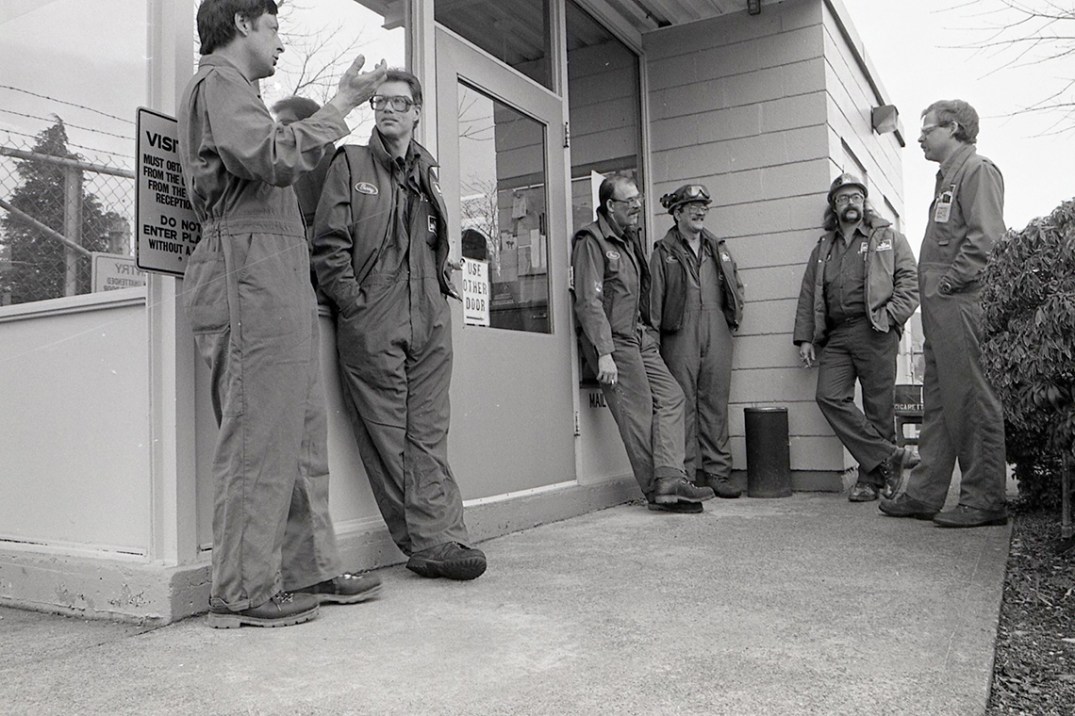
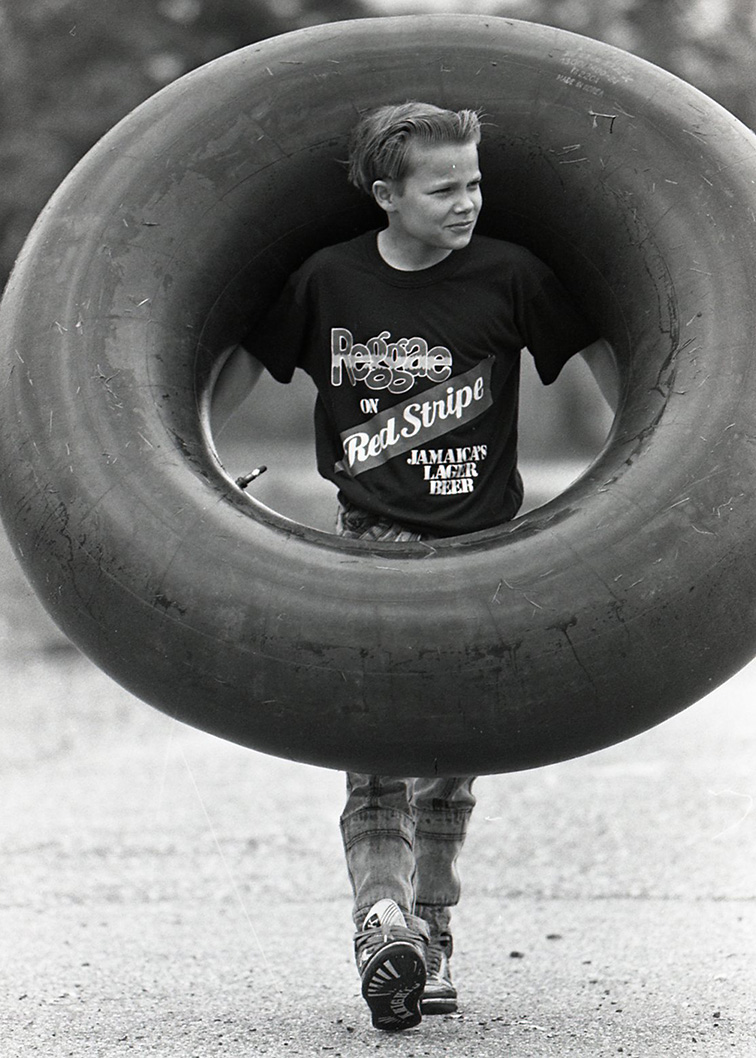
But looking back more than 30 years ago, it’s those images that catch my eye: working the graphic lines of a construction project; the body language of striking refinery workers; the joy of a kid walking down the street with a giant inner tube.
We pass such mundane, routine moments every day, but as photojournalists, we have license to pull our cars over, grab our gear from the trunk and figure out how to turn it into a moment, then go find out more about it so we could write the caption.
Oh yeah, and there was that editor with a hole on Page 36 to fill too.
When they were published, such moments might bring a smile or glint of recognition to the reader as suddenly something they’d passed by themselves took on a new look or context. Thirty years later, though, they’re a glimpse into what the city was like three decades earlier — the clothes people were wearing, the things they got up to, the cars they were driving, the environs in the background, when something now familiar was just new, what has been lost.
They’re an important contribution to the community’s collective memory.
As photo staffs were pared and ultimately eliminated, those moments disappeared from our coverage. The ability to send a photographer to tell the story of an event diminished. With nobody on the street because reporters were too busy in the office churning out stories, newspapers’ connection to the communities they cover started to suffer.
Getting rid of photographers didn’t kill newspapers, but it sure didn’t help either. Without our keen eye to capture the essence of a story in a single frame, see the moment, bring a unique perspective to the ordinary, papers abdicated a bit of their professionalism.
Soon enough our word colleagues in the newsroom would feel the same sting. As their numbers were reduced, the breadth and depth of stories we were able to cover was diminished. Fewer people to do more work meant more errors and missed story opportunities. Once the slide started, it was hard to stop.
Over the course of my career, I’ve had the opportunity to cover the first hometown game for several young NHLers: Ryan Nugent-Hopkins; Kyle Turris; Ryan Johanssen; Mathew Barzal.
Friday, Port Moody’s Kent Johnson and his Columbus Blue Jackets visited Vancouver for the first time since he joined the team that drafted him fifth overall in the 2021 NHL Entry Draft.
We’ve been covering Johnson since he played Major Midget. We did stories when he was playing with the Trail Smoke Eaters in the BC Hockey League, when he moved on to the University of Michigan and his achievements with Canada’s national junior and Olympic teams.
So when the NHL released its 2022–23 schedule last summer, the first thing I looked up was the Blue Jackets’ first game in Rogers Arena. It took them half the season to get here.
You might think covering an NHL game is fun and glamorous; big building, bright lights, loud crowd, the best players in the sport giving it their all.
But it’s a lot of grinding work.
Back in the 1980s, covering a big league game meant a fancy laminated badge on a lanyard that afforded you access wherever you needed to go, a nice pre-game meal — free — in the media lounge, people opening doors for you; unlimited snacks in the press box, printed stats delivered at the end of every period or quarter.
None of those happen anymore.
Navigating restrictions
Covering a pro sporting event in 2023 is mostly about navigating restrictions as best you can, making sure you eat dinner at home before you leave for work and being grateful for any little morsel of access you can scrounge that allows you to do your job. The Canucks don’t even give you a lanyard to wear anymore; the press badge is still laminated, but if you don’t bring your own neck lanyard, you’re left awkwardly clutching this 4X6 card in some way so ushers know you belong.
Even kibitzing with other media members you know from running into each other at previous assignments is a thing of the past, so depleted are our ranks. Most of the press corps in the Columbus dressing room — all four of us — after the team’s morning skate Friday were gathering content for the team’s website and social media channels or working for the league. Sure, they were asking questions and trying to get insight for their audience, but they were essentially PR agents.
Four years ago, when we covered Barzal’s homecoming, you were able to take a hard right after checking in with security and you were in the dressing room area. If we were there at a practice, you could walk through the tunnel and shoot from the visiting team’s bench area.
Now those locations are all curtained off, restricted.
Instead, we have to walk all the way around the arena to a holding area where the team’s PR person will bring out the coach to answer questions, then signal us when we could access the dressing room to talk to the players.
The hole
The old shooting area at Rogers, a private media box at centre ice on the mezzanine level, is also gone. Now there’s a hole cut into the plexiglass at each corner of the rink, so essentially room for four photographers per game.
Last year, after one too many incidents where a puck or stick shot through the open holes, the NHL mandated removable covers and some sort of shield that has to be moved into place by the photographer whenever the play got close.
For media that are there all the time, this gradual erosion of access is likely just more annoying inconveniences; you adjust and carry on. For someone — like myself — who only gets down there once every four or five years, they amp up the already fish-out-of water presence.
Of course, sports teams are private businesses. They have a right to control access; media can’t just walk into factory and start questioning workers and poking around machinery.
The changing dynamic
But the old notion that allowing us to tell their stories is good for their business is gone.
Sports franchises can tell their own stories to connect with their fans (a.k.a. customers) on social media, and of course they’ll only tell the stories they want to be heard. Impartial media is no longer needed, but seeing as we’re still around, increasing the layers of restriction and inconvenience makes it more difficult to get at the stories they don’t want to be told. And with so few of us left, there’s little push-back. We swallow hard, put our heads down and do the best we can.
And it’s only getting worse.
Last week, the company that owns most of Canada’s daily newspaper implemented a ban on travel for its sports reporters. That means no more beat writers covering teams like the Canucks, Edmonton Oilers, Calgary Flames and Montreal Canadiens when they’re on the road. Winnipeg and Toronto still have independent newspapers, so those teams might still have some coverage away from home.
Not only does such a decision further the circling of the drain for those papers, it makes it that much harder for the beat writers to get to the stories they can dig up from their constant connection to the team. And it gives teams even more ways to control their story.
The day when sports teams shut us out completely, by no longer accrediting us, or selling such accreditation just as they sell tickets, doesn’t seem far off.
The music industry has already ventured down that road; when was the last time you read a review or saw news photos from a concert? In fact, some acts don’t allow media access at all, unless you buy a ticket like all the other fans. And photos are supplied by the artist’s management, likely approved by the artist to ensure they look their absolute best.
It’s a slippery slope to PR.
Here’s the story I did about Kent Johnson’s homecoming game. It was a long 14-hour day.
MARIO BARTEL/THE TRI-CITY NEWS
Port Moody’s Kent Johnson wheels out of the corner in his first NHL game in Vancouver since he joined the Columbus Blue Jackets last spring.
‘Obviously this one feels a little bit more special’
Kent Johnson’s dad just can’t wipe the smile off his face.
Ten rows of maroon-coloured seats above the ice, Jay Johnson is intently watching his 20-year-old son wheel around Rogers Arena with his Columbus Blue Jackets teammates, just hours ahead of his first NHL game in front of hometown family and friends from Port Moody.
Just how many, Jay can’t say.
But, he added, he’s dreading his visit to a ticket reseller’s website later in the day to see what he might be able to dig up for some buddies who’ve requested to join the contingent headed to last Friday’s (Jan. 27) game against the Vancouver Canucks.
Kent Johnson said while he didn’t exactly mark his calendar when the NHL released its schedule last summer, playing against the team he cheered for as a kid — not so many years ago, when the Sedins were still playing — is “really exciting.”
“I always wanted to play in this building, so it’s gonna be cool to come full circle,” the 20-year-old told the Tri-City News.
Johnson is in his first full season with the Blue Jackets, who drafted him fifth overall in the 2021 NHL Entry Draft.
A highly-touted forward who burned up the BC Hockey League (BCHL), scoring 101 points in 52 games in his final season with the Trail Smoke Eaters, then totalled 64 points in 58 games in his two seasons at the University of Michigan, he got a nine-game taste of the NHL late last season after his collegiate season ended.
Johnson said that sampler, along with further chances to play against men at last February’s Winter Olympics in Beijing and the World Hockey Championships a few months later in Helsinki, Finland, helped ease his transition to becoming a full-time professional hockey player.
“It’s been pretty smooth, I’d say.”
In 45 games this season heading into Vancouver, Johnson has nine goals and 14 assists – sixth amongst this year’s crop of NHL rookies.
Likely none of his goals were bigger than the overtime winner he scored Wednesday (Jan. 25) to give the Blue Jackets a 3-2 win over the Edmonton Oilers.
The victory earned Johnson and his teammates a day off in Vancouver Thursday (Jan. 26) that the young hero was able to cap off with a family meal at a downtown restaurant.
He said it’s nice to be coming home on the high the overtime goal gave him, but his spirits are always good when he gets on the ice.
“It’s pretty easy to get motivation when you’re in the NHL,” Johnson said.
“But obviously this one feels a little bit more special.”
Blue Jackets’ coach Brad Larsen said he’s been pleased with Johnson’s progression, even as the team has struggled through a seemingly endless parade of injuries that has left it mired near the bottom of the league standings.
“He’s growing and improving,” Larsen said, adding Johnson’s ability to slow the game down in his mind and read what is about to happen has advanced significantly from the start of the season.
“He’s got a lot of confidence, a lot of swagger.”
Johnson said he’s just trying to get better and earn more ice time, an aspiration he backs up by generally being the last player off the ice at practices and morning skates. It’s a pattern that hasn’t gone unnoticed among his teammates and the Blue Jackets’ travelling crew who needle him when he finally lopes into the dressing room after Friday’s pre-game skate.
“He’s always working on his game,” Larsen said. “He’s got a tremendous skill set.”
Johnson said having a teammate from his Michigan days, Nick Blankenburg, has made that work more fun, and veterans like Columbus captain Boone Jenner have readily taken the team’s young players under their wings.
That’s helped him respond to some of the challenges that have come his way, like being moved to centre from his usual spot on the left wing position for several games when injuries depleted the Blue Jackets’ corps of pivots.
“He’s handled it very well,” said Larsen of the way Johnson’s handled the curves, adding he has “great poise.”
Up in the stands, Jay Johnson surveys the cavernous arena around him. His son may not have marked the calendar for this day, but he sure did.
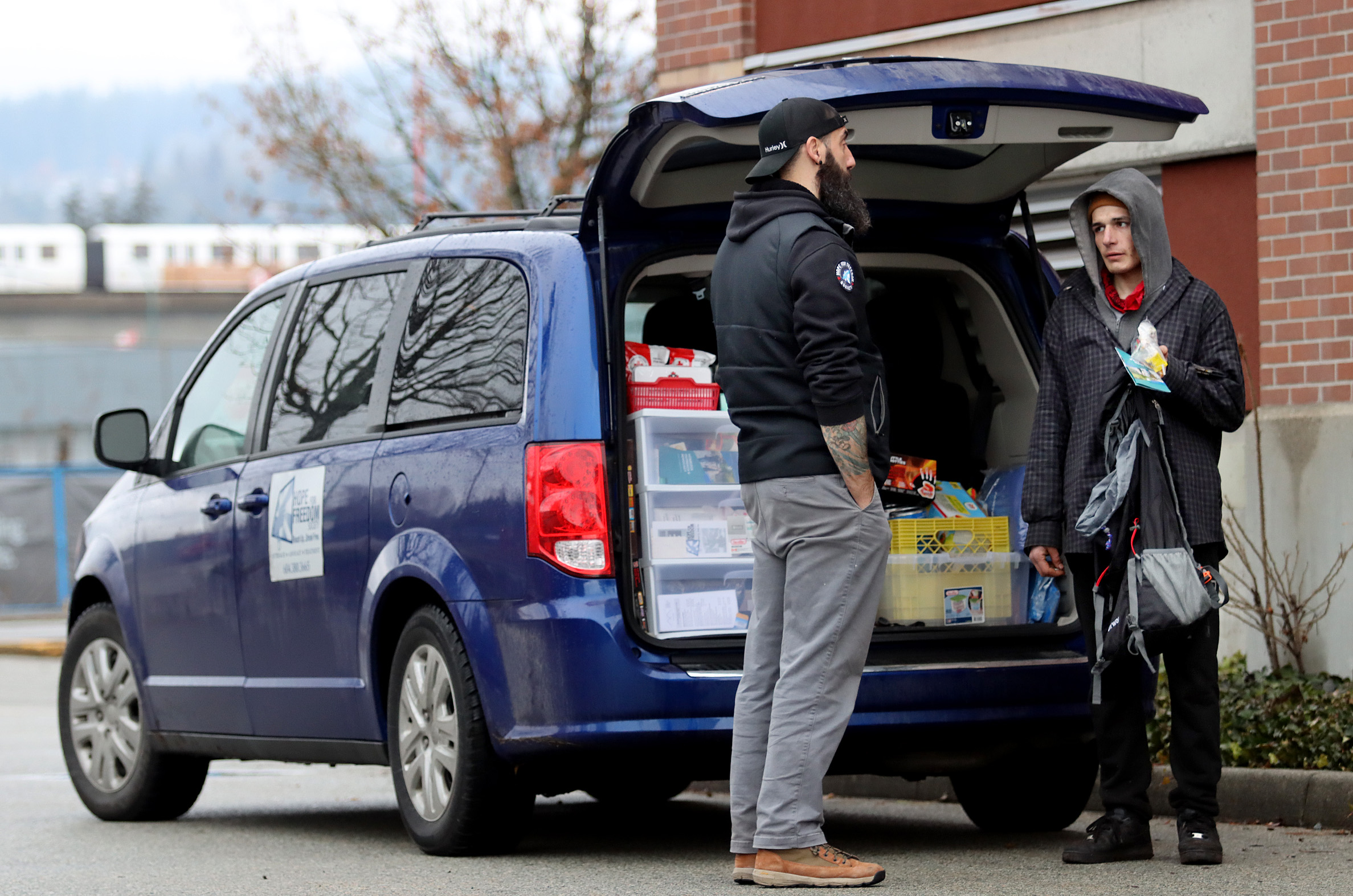
Port Coquitlam’s A-Team doesn’t wear khaki cargo pants or drives a black van with a red spoiler.
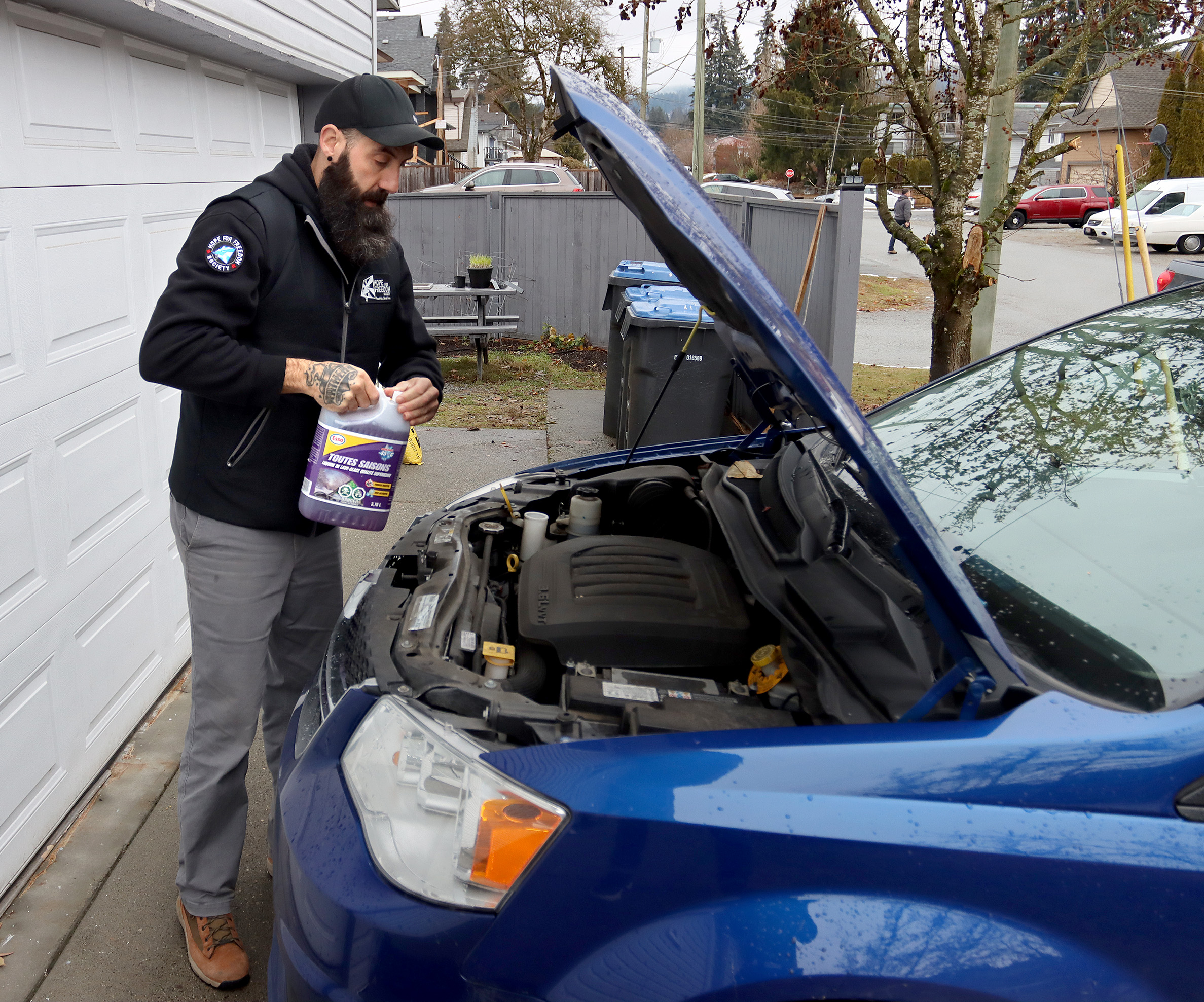
But like the fictional TV team of mercenaries from which Adam, Amanda and Aaron of the Hope For Freedom Society have adopted their nickname, they spend their days fighting for what’s right: Providing some comfort and goodwill to the Tri-Cities’ homeless population.
Adam Thompson — one of the A’s — says the group’s mission is simple.
They provide the basic necessities to those whose every moment is a toil of survival while offering a conduit to resources that might help ease their struggles, and maybe even get them off the street or out of the bushes.
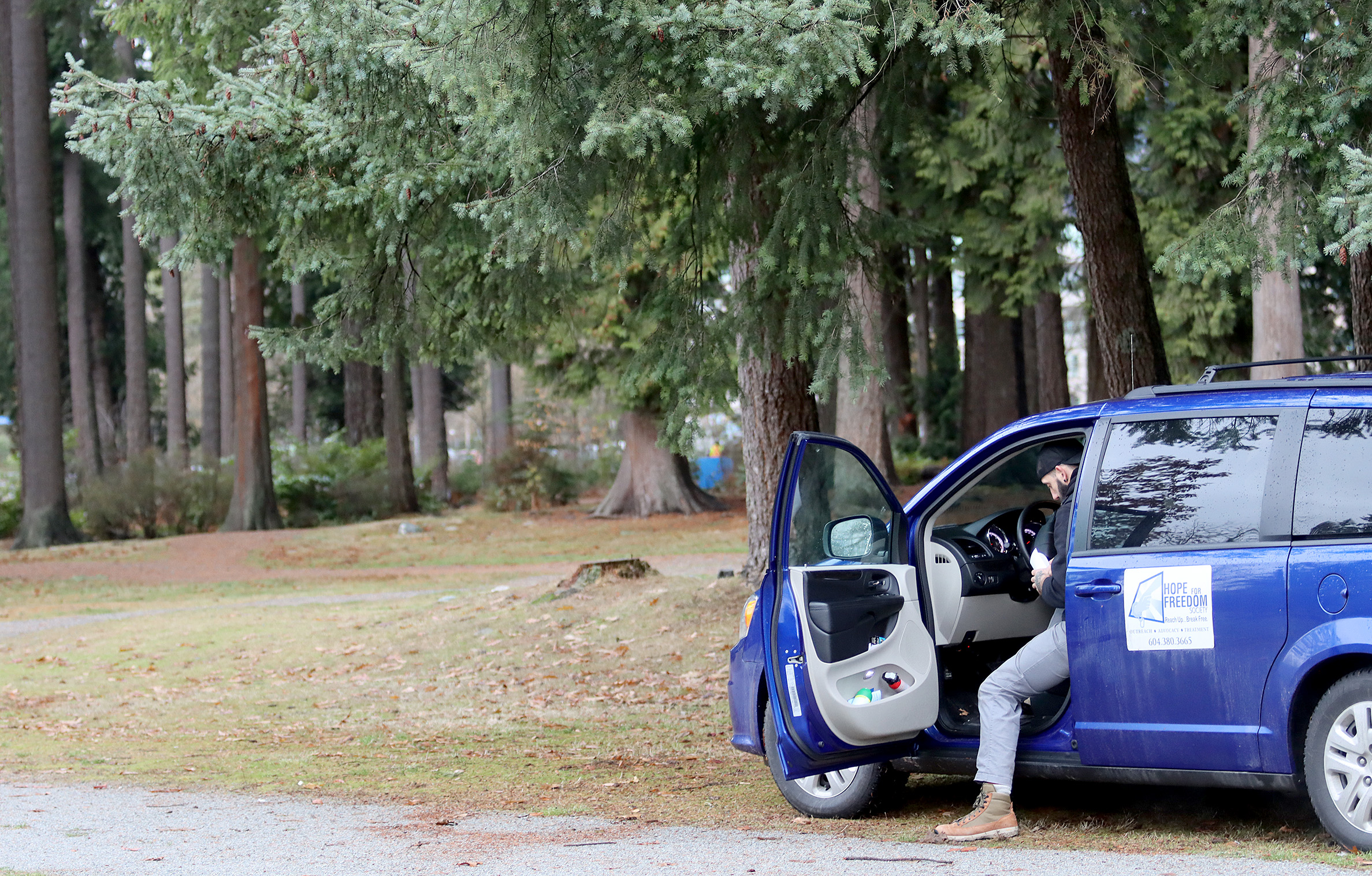
It’s a job that requires boots on the ground — or rather, a blue van on the road — every day beginning at 7 a.m. when the overnight shelters release their guests to fend for themselves through the daylight hours.
Thompson’s van is stockpiled with supplies that could make the difference between a good day and bad: hot chocolate, candy bars, cigarettes, feminine products, blankets, backpacks, hand warmers.
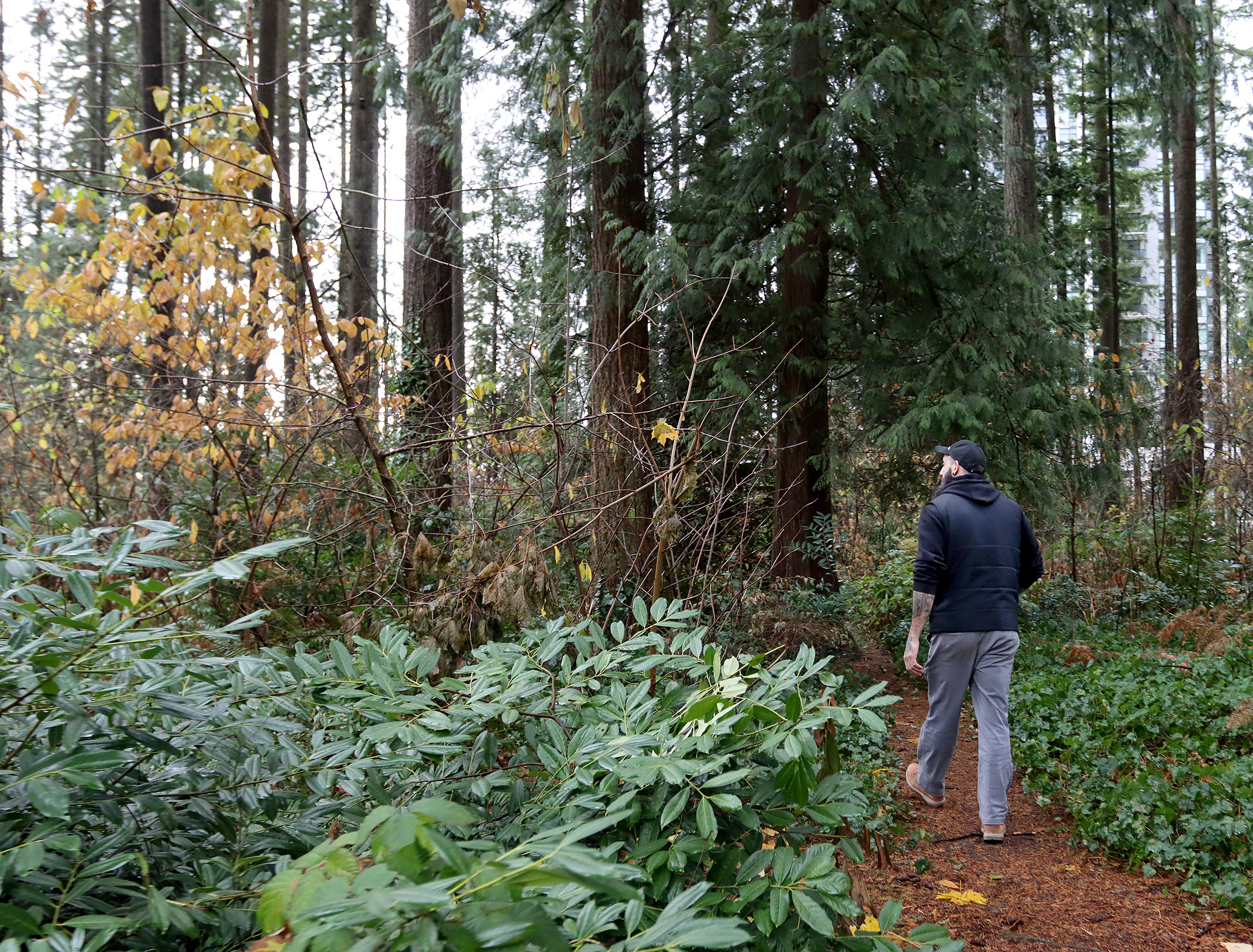
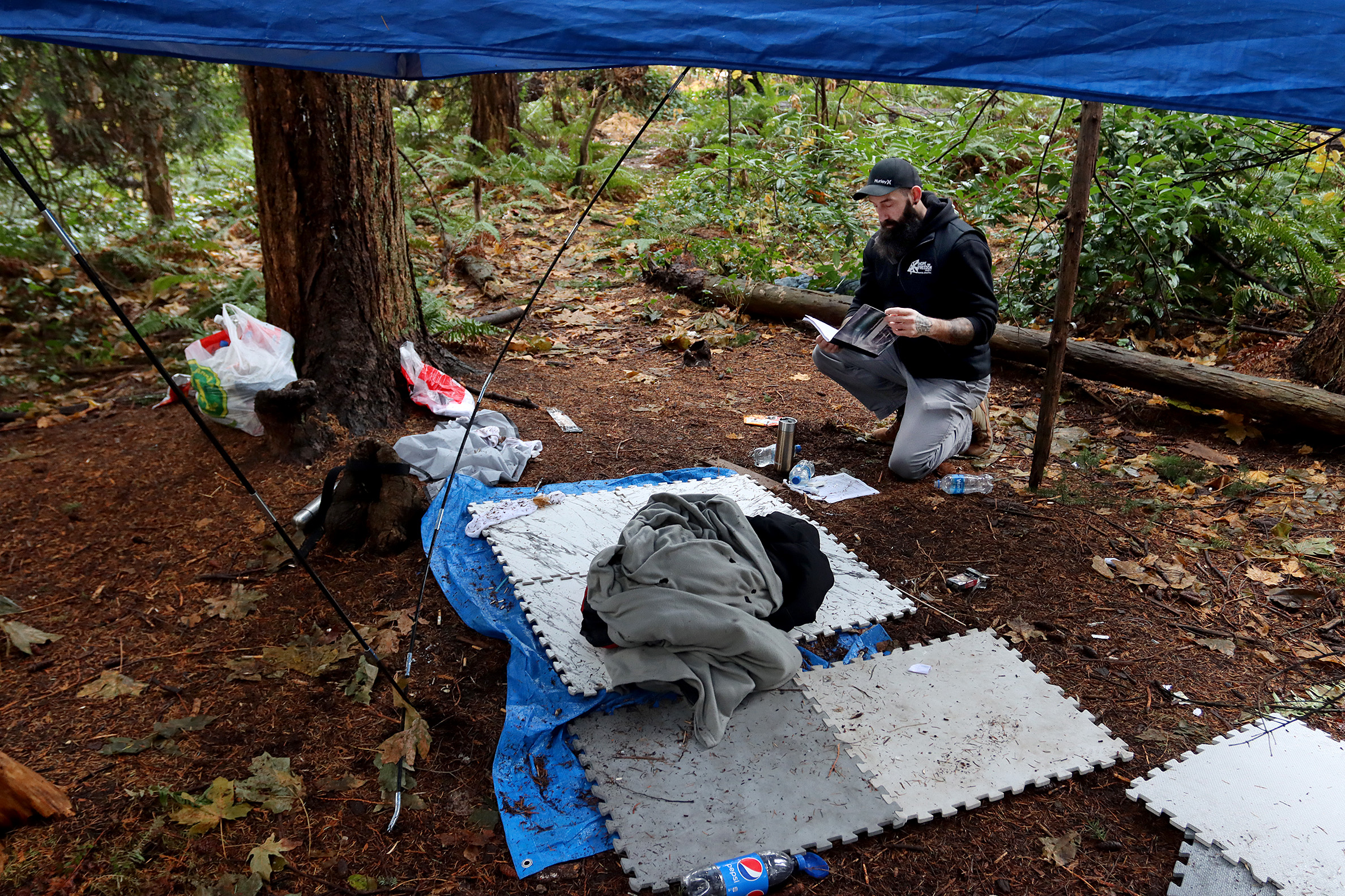
His rounds take him to the sidewalks, alleyways, garages and parks in Port Coquitlam and Coquitlam where the homeless might hunker down to get out of the rain or cold, or just get some respite from the rigours of existence.
In his 14 months on the job, Thompson said he’s learned to see the signs of street life that would otherwise be easy to miss: a piece of cardboard wrapped around a vent pipe in a parkade to direct warm air, a twist cap from a water bottle with its seal cracked secreted in a patch of grass for future use to administer a fix.
Street cred
Before starting this gig, he said, he was on the road to becoming homeless himself after losing everything to fentanyl addiction.
That near miss, Thompson said, gives him the street cred with the people he meets every day, equips him with the compassion needed to see the humanity in their struggles and the empathy that might just crack the door back to “normie” life.
“To have the past that I have, the population we assist appreciate that I’ve been there,” he said.
It’s not an easy job, Thompson said.
The “wins” are few and incremental.
A nod of greeting, a hand extended, a conversation initiated.
The losses often go home with him at night.
“The things that nag at you are the things you think you may have missed,” he said.
But when one of his clients lets him in to begin the monumental steps of rebuilding their life, it’s affirming, Thompson said.
A success story
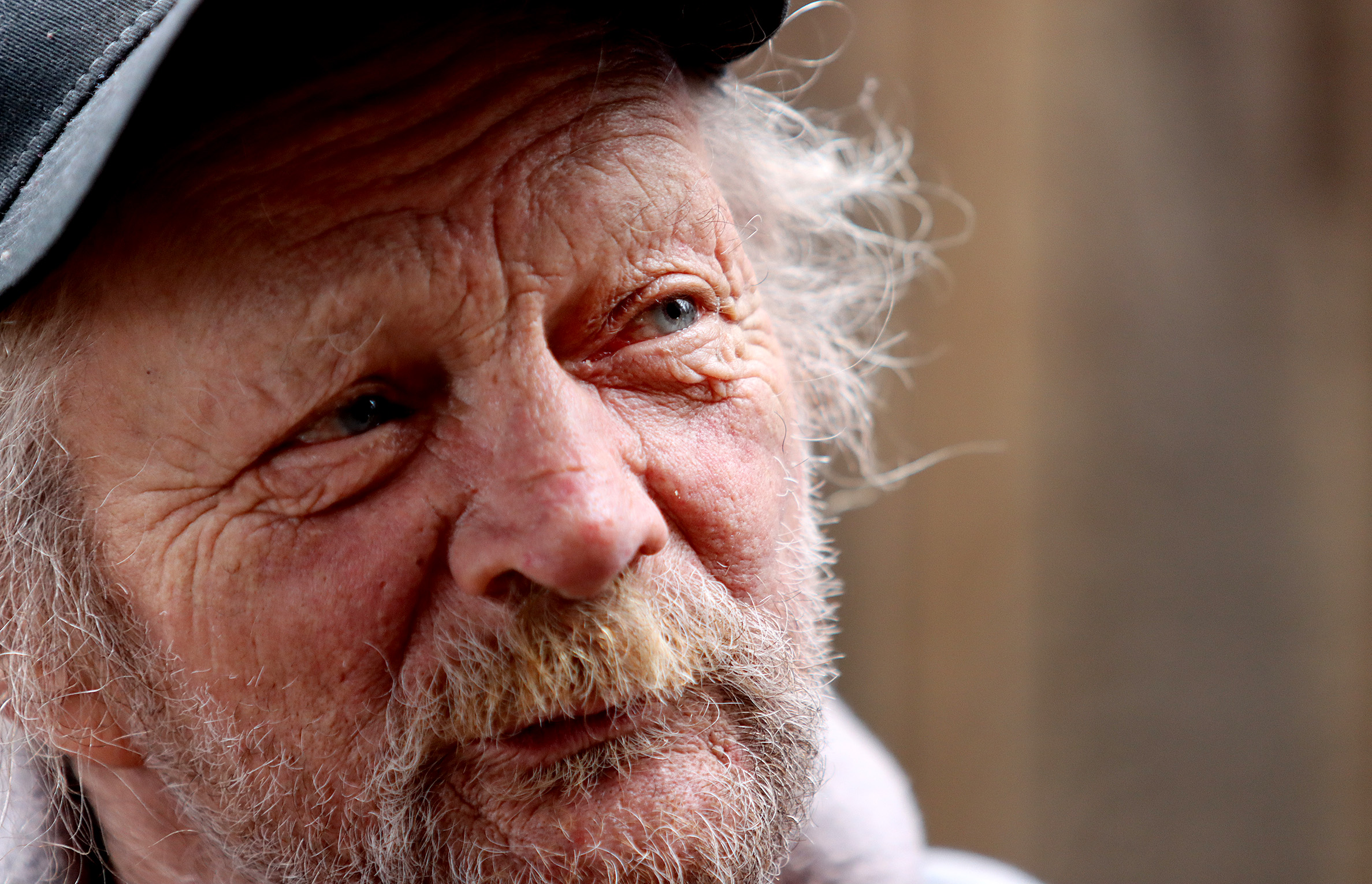
That was the case with Brian, who once ran an autobody shop in Port Moody until he fell on hard times and ended up in a decrepit RV parked near the PoCo bottle depot and piled high with his worldly possessions that mostly consisted of large jerry cans filled with his urine.
“It was the worst living situation I’ve ever seen,” Thompson said.
Now living in a rooming house in an established PoCo neighbourhood next to the Coquitlam River, Brian said he was depressed as he gave his life over to booze.
“I was letting myself go,” he said. “I knew something had to change.”
Knock on his door
When Thompson and another member of his team, Amanda, knocked on his door, he knew that change had come.
But, Brian worried, where would it take him? Would he be institutionalized? Would he be sent to rehab even though he doesn’t do drugs?
Thompson said it’s a common worry.
People living on the streets don’t have much other than their self-sufficiency and independence; many clutch those fiercely.
Convincing Brian he could still be independent and have a safe place to begin rebuilding his life “took a bit of coaxing,” Thompson said.
A month later, Brian has a warm room with a proper bed and assurances of his next meals.
“It was a huge moment in my life,” he said of his decision to finally accept help, adding he now has the freedom to look beyond his next waking moment.
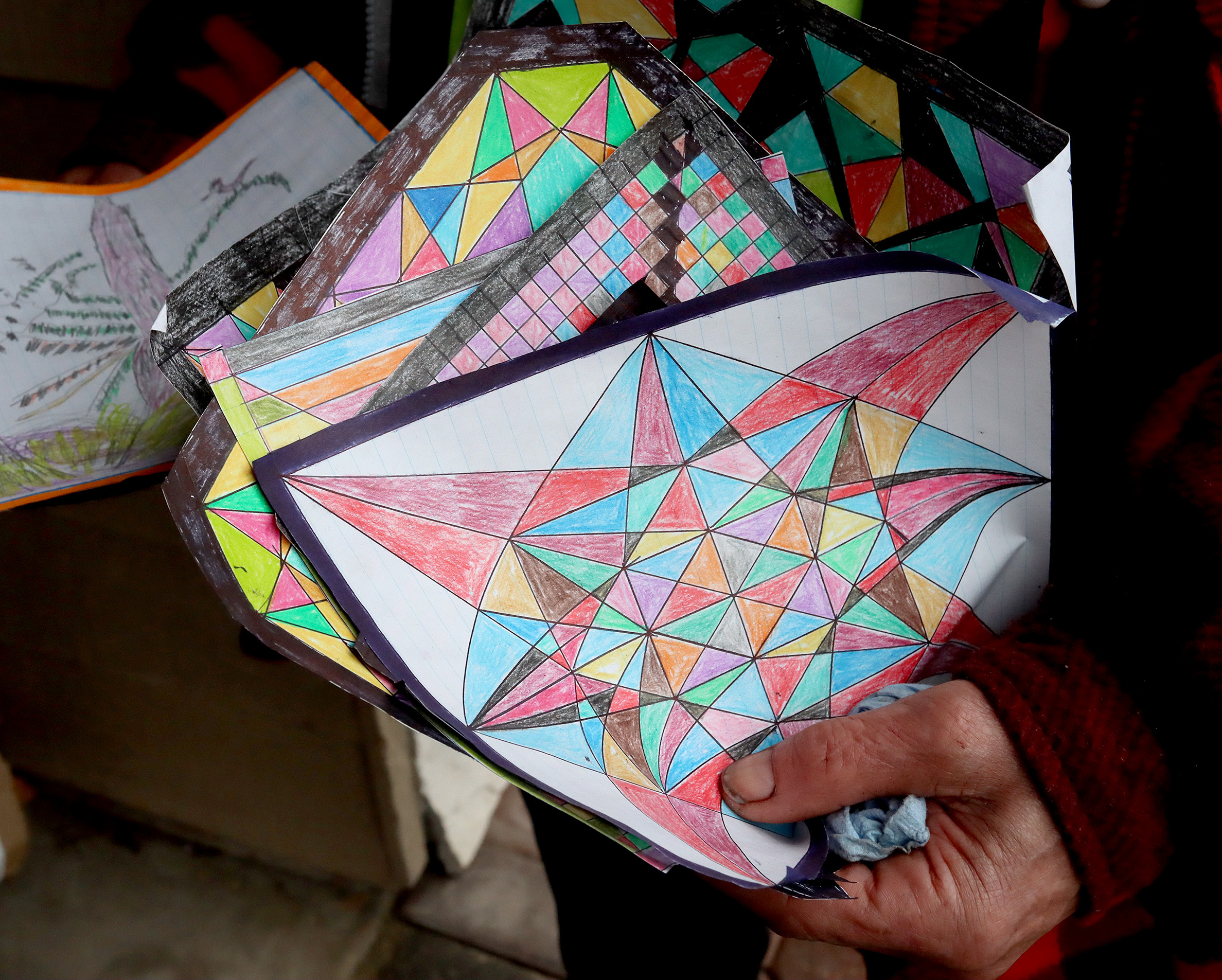
He’s even armed himself with colouring pencils to sketch the nearby woods and create bright, geometric designs on squares of paper.
The situation is getting worse
Thompson said he’s seeing more Brians show up in the Tri-Cities as the situation in Vancouver’s Downtown Eastside continues to deteriorate.
Shelters can’t keep up with the need and the rapid pace of development in Coquitlam’s City Centre neighbourhood is diminishing the places they can hunker down.
It was the year of getting back to normal. Almost.
After nearly two full years of lockdowns, public health restrictions and mandates, we began to emerge from our cocoons of self-isolation with more antibodies coursing through our veins and renewed determination to return to the familiar patterns of life.
We returned to the work and play.
We got down to business again, toiling to reverse the damages inflicted by pandemic fears and trepidation.
Celebrations and events returned. Though not all.
Fields, gyms and arenas once again filled with the raucous sounds of… life.
But uncertainty was never far away.
A surge of illness last winter brought on by the Omicron variant of the COVID-19 virus reminded us how tenuous our grasp on normalcy can be in this post-pandemic reality.
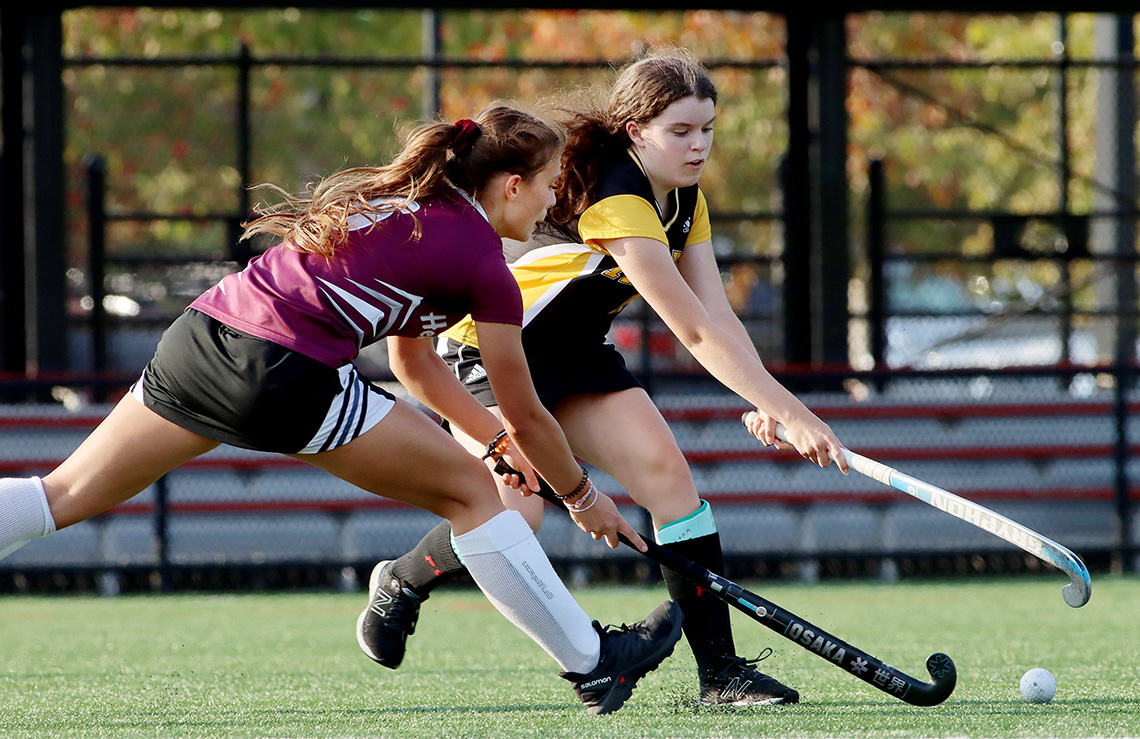
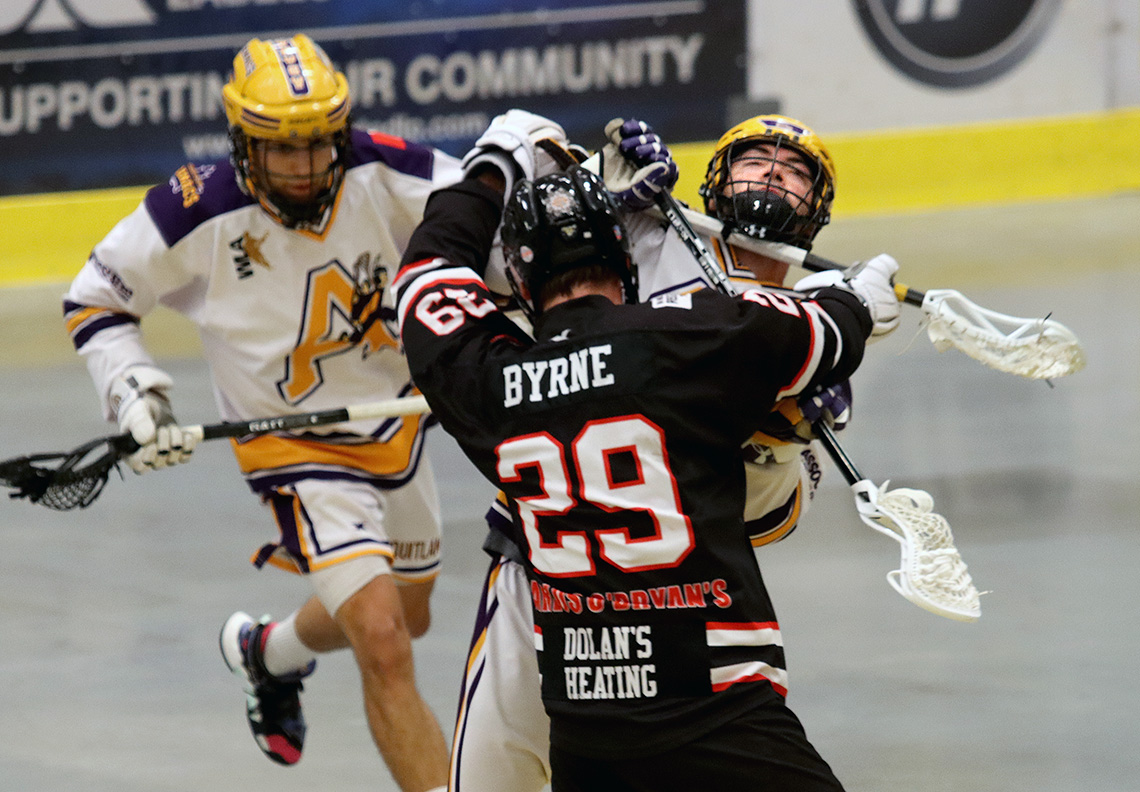
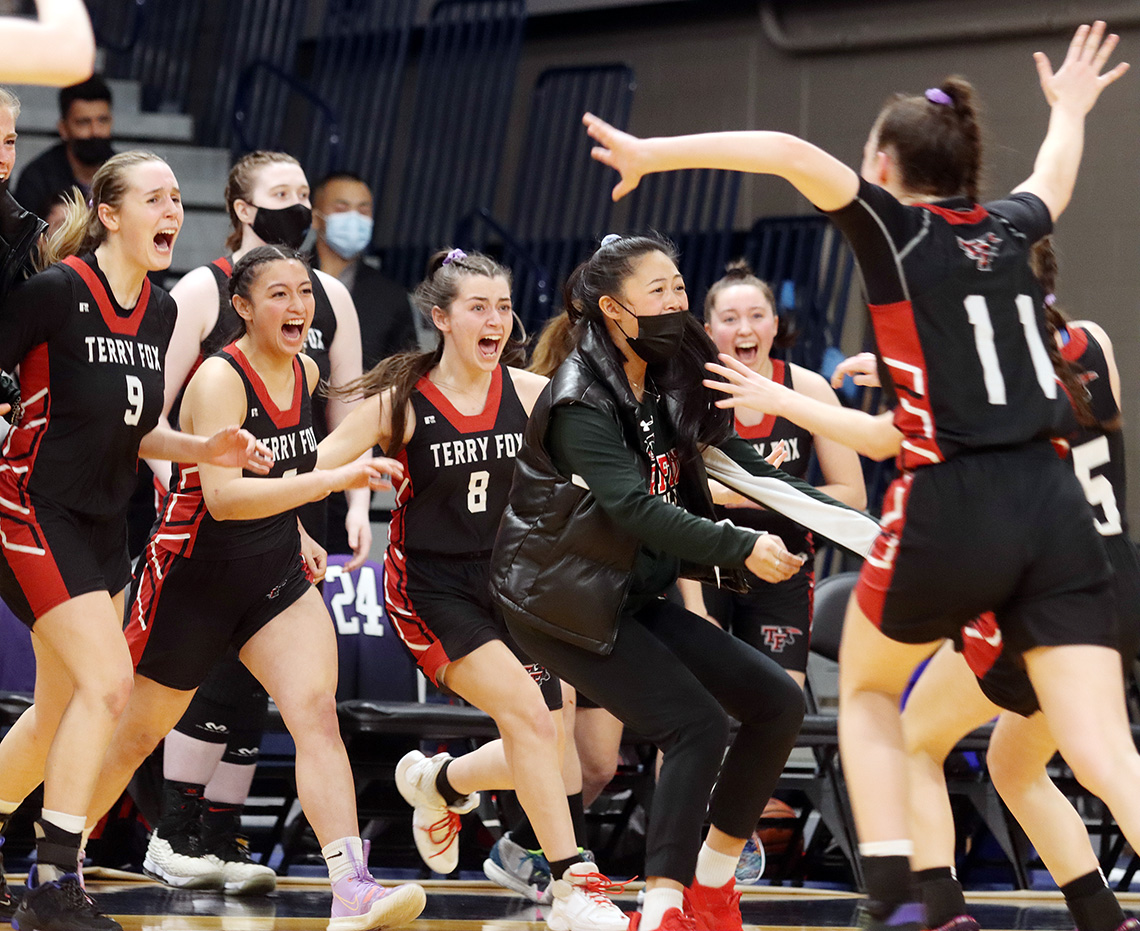
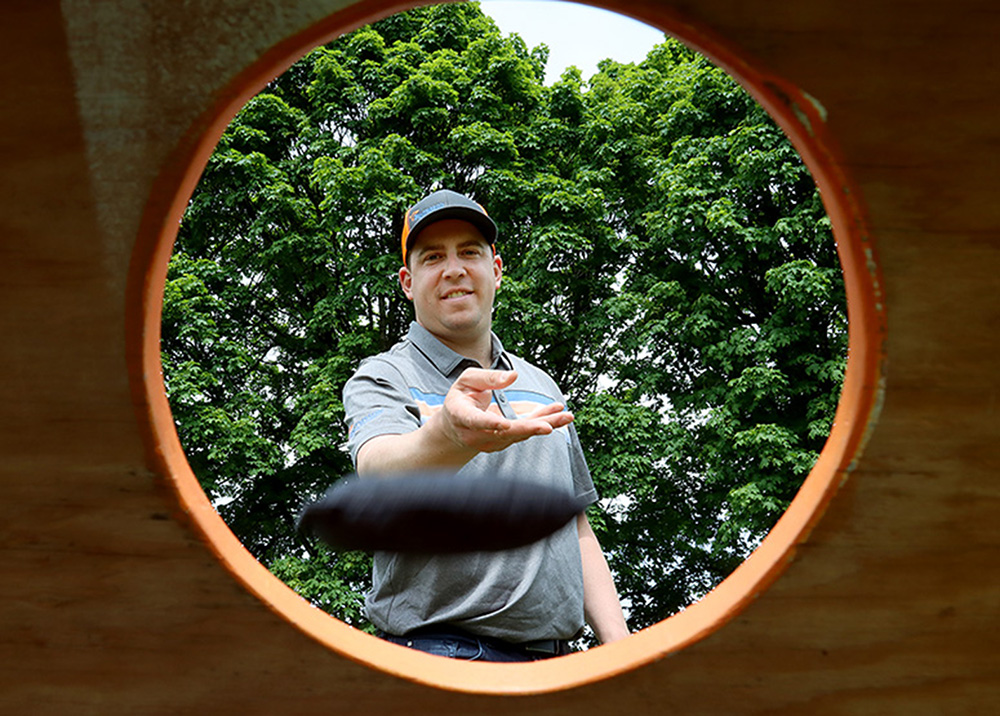
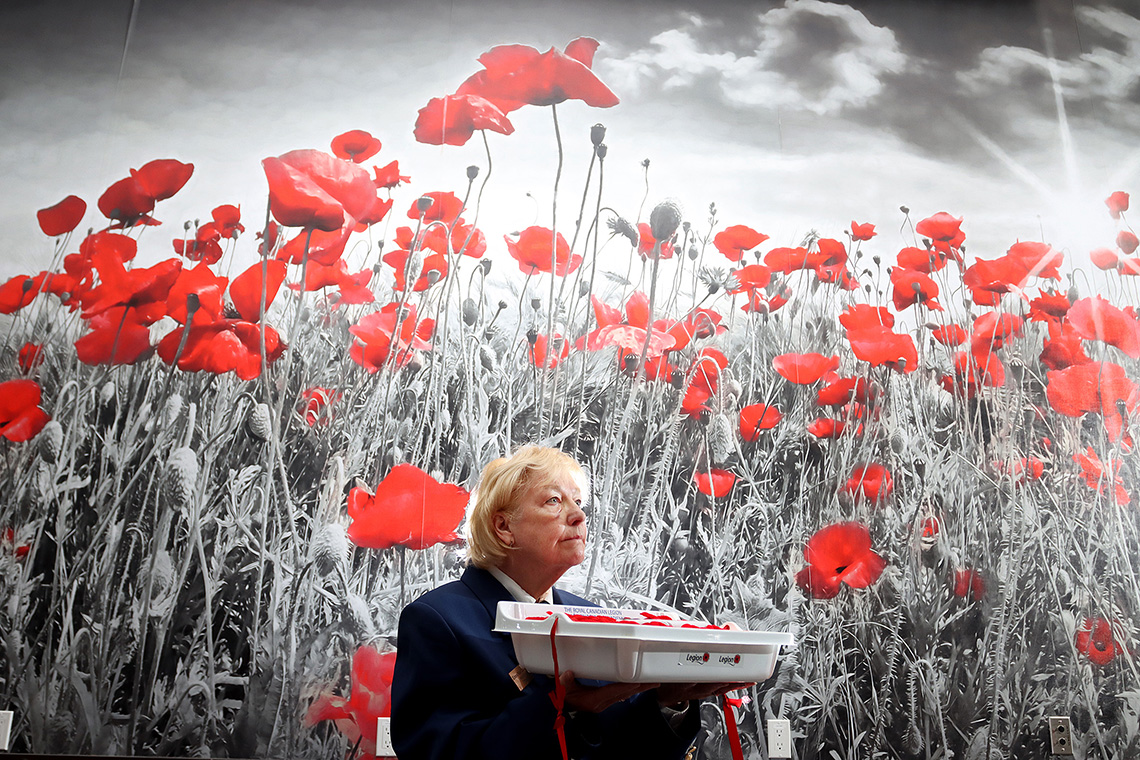
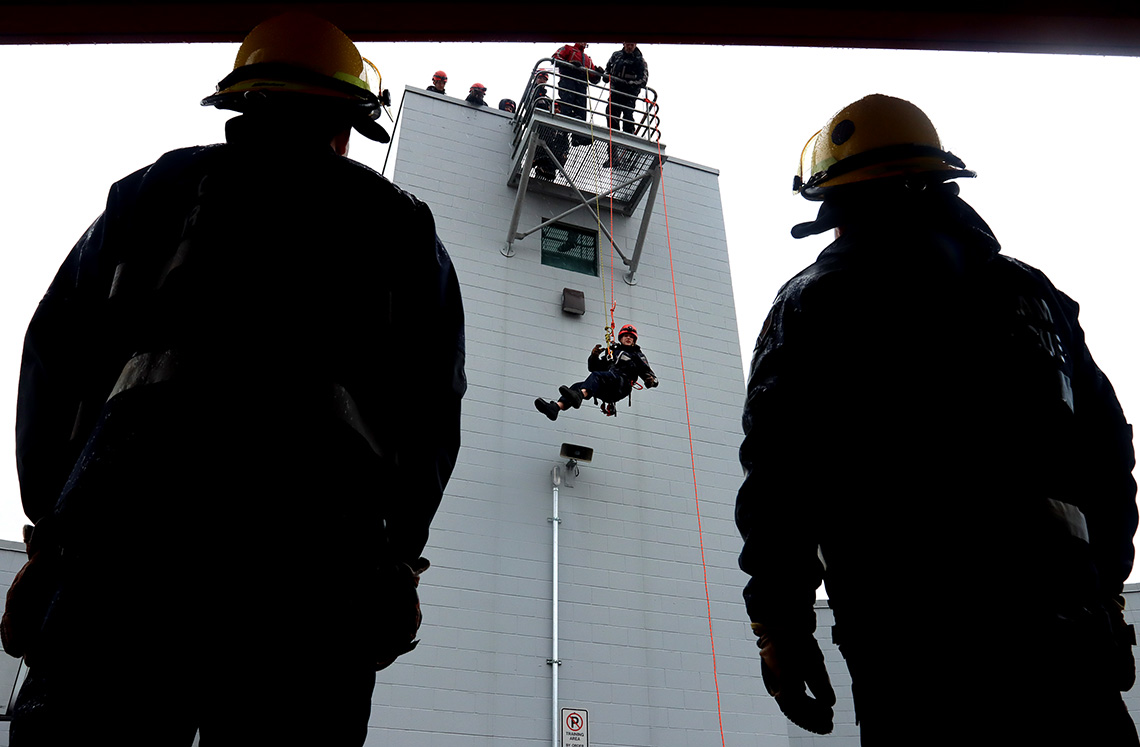
These are some of my favourite images of the past year of near-normalcy, along with a bit of commentary about what it took to capture those images.
I like to think of them as a bit of a celebration of the Tri-Cities at a unique moment in our history, but they’re also witness to our resilience and determination to overcome the challenges of the past two years.



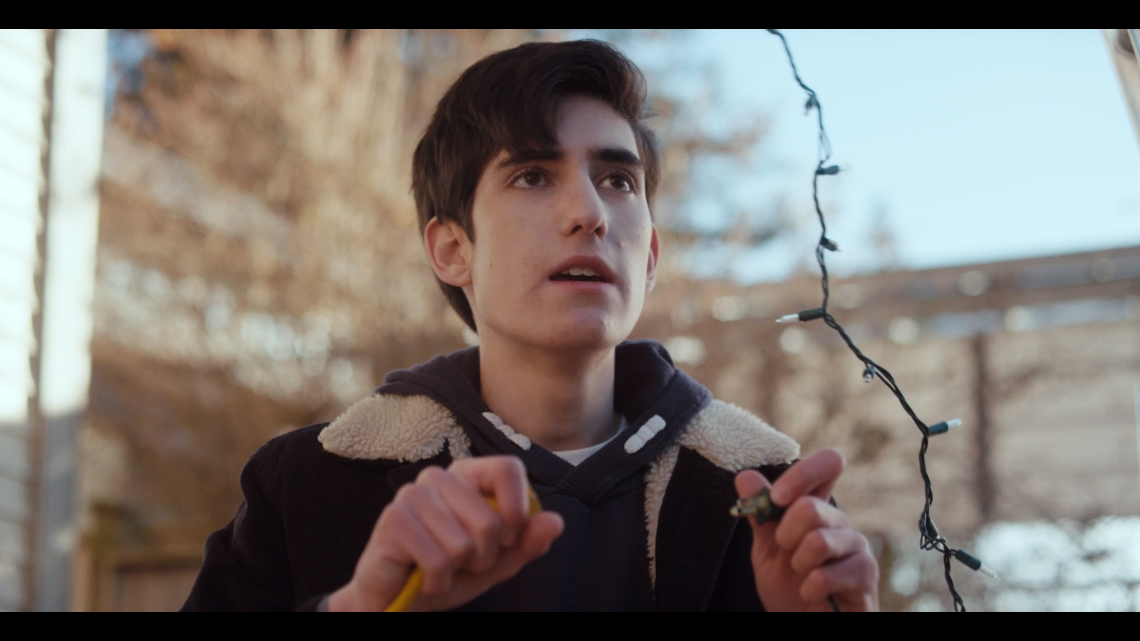 SUBMITTED PHOTO Ricardo Ortiz plays NIck, a 16-year-old teen who unwittingly cancels Christmas then must find a way to restore the holiday in his family’s film production, Saving Christmas.






































 MARIO BARTEL