How this white van delivers health care to homeless populations in the Tri-Cities, Burnaby and New West

This story first appeared in the Tri-City News on March 15, 2024

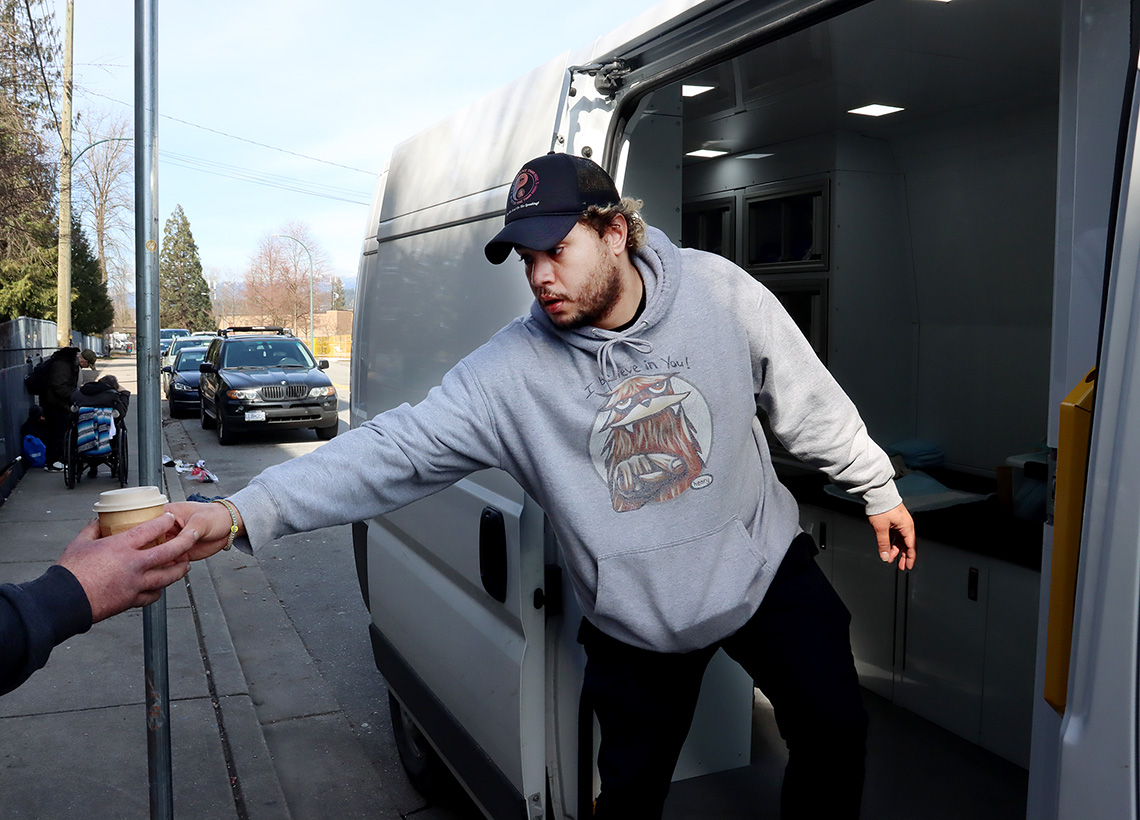
A nondescript white panel van is delivering relief to homeless populations in the Tri-Cities, Burnaby, New Westminster and Maple Ridge.

Sometimes it even helps save a life.

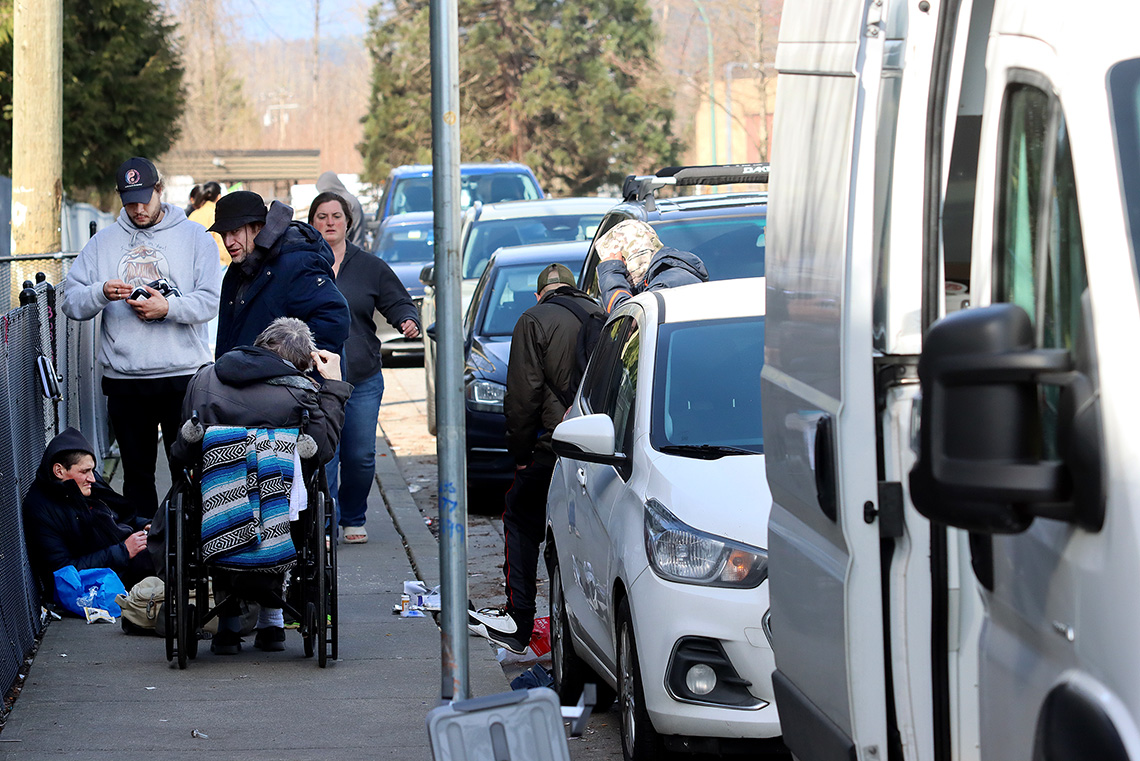
During a recent visit to the 3030 Gordon shelter in Coquitlam, medical professionals from the Integrated Homelessness Action Response Team (IHART) mobilized when a man overdosed on the sidewalk.

As his worried street buddies gathered round and coaxed the man to wake up, registered and practical nurses administered naloxone and notified emergency services. After several tense moments he was responsive and sitting up. Minutes later he walked away, getting on with his day as if nothing unusual had occurred.

While the IHART program has been operating since 2022, it’s been bringing its suite of health care, mental health and outreach services to the streets in a van since January.

Lower barriers

The program’s co-ordinator, Paolo Palomar, said the idea is to lower barriers to obtaining health care for a population that would otherwise have none.

The mobile team that functions five days a week is comprised of nurses, clinicians, as well as peer support, outreach and social workers.

“We’re able to give wrap-around support,” Palomar said.

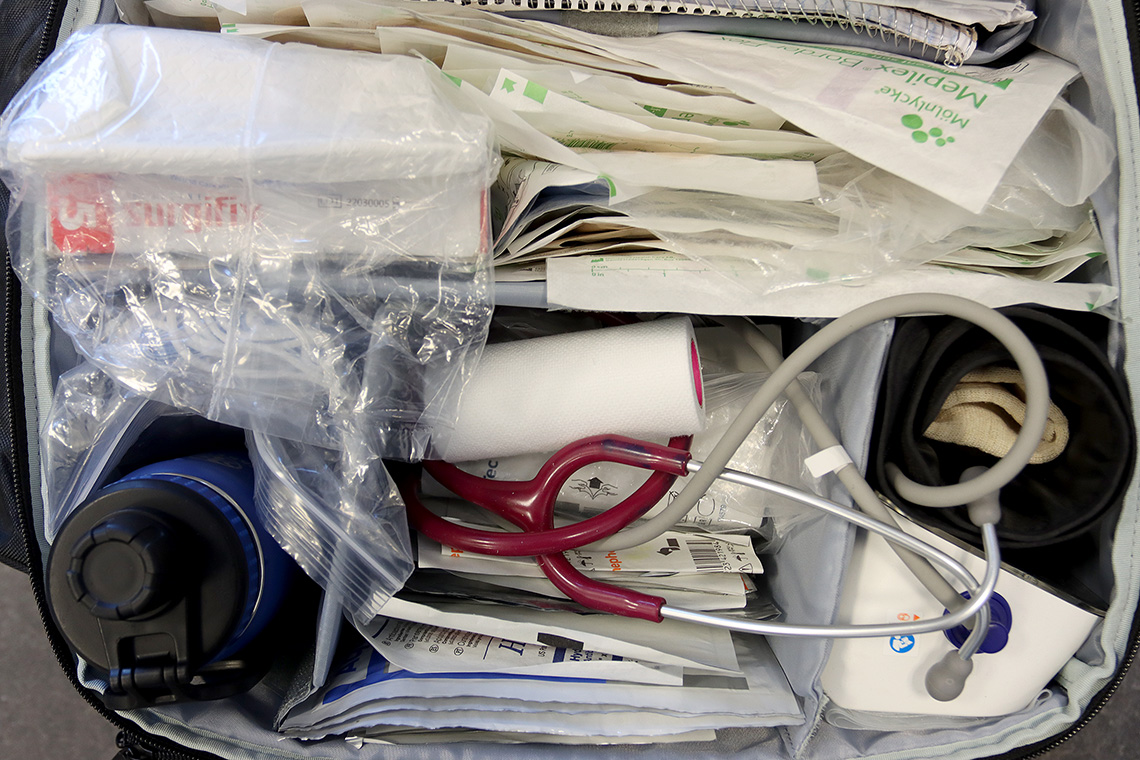
Sometimes that means distributing requisitions for blood work.

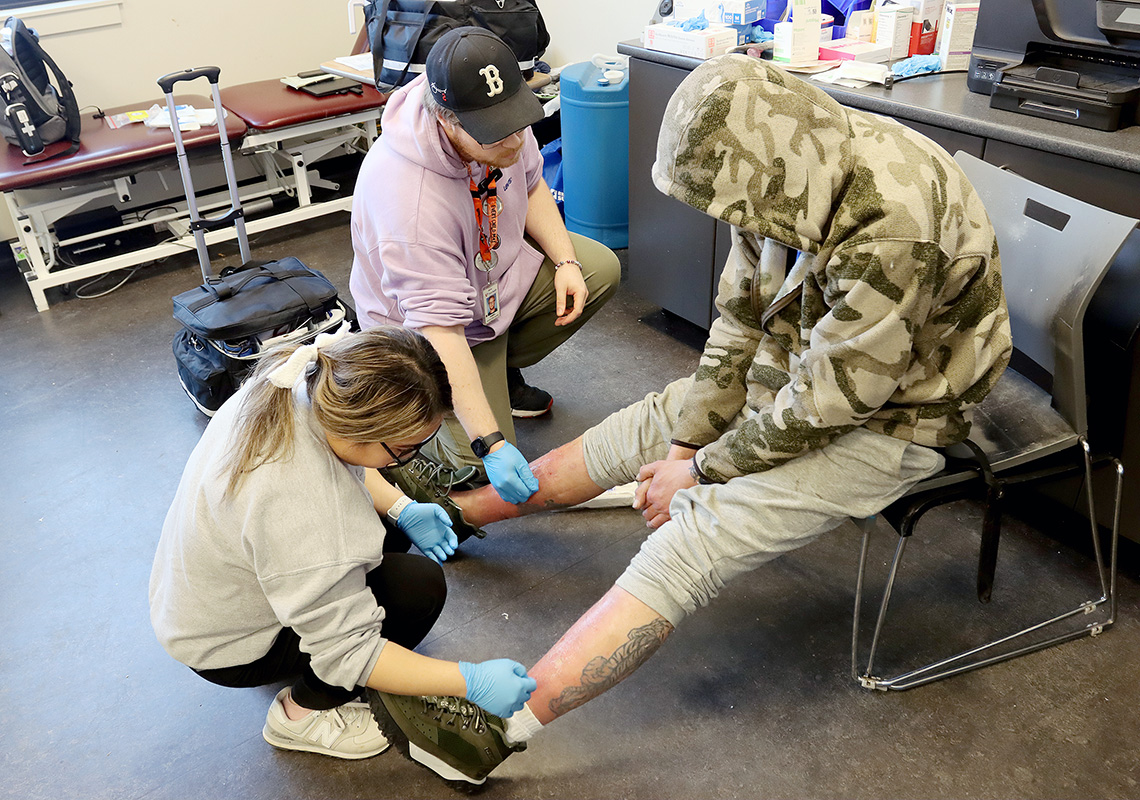
Sometimes it requires cleaning and dressing infections or providing counselling. Sometimes it’s just handing out a cup of warm coffee.

“We try not to say ‘no’ to anyone who needs help,” Palomar said.

The IHART team travels to homeless encampments, shelters and church parking lots across the northern communities of the Fraser Health district while a second team helps out in eastern communities like Abbotsford, Mission, Chilliwack, Agassiz and Hope. The service is also being extended to Surrey.

Relationship of trust

The vans follow a regular schedule so clients can anticipate their visits, Palomar said.

It also helps them build a relationship of trust, he added.

Twice a month the team offers special foot care clinics as homeless populations often have to deal with a condition called “street feet” because their shoes and socks are wet from the rain and snow.

The frontline care can help alleviate the chronic nature of health disparities the homeless population experience, said Fraser Health clinical operations director Sherif Amara.

“The vans provide an additional tool to bring care further into these remote, often secluded, settings.”

Palomar said it can also be the stepping stone to more comprehensive care and possibly even the start of a journey off the streets.

“We’re trying to bridge the gap,” he said.
Coquitlam students hope to build a better understanding of homelessness

This story originally appeared in the Tri-City News

On a field trip to the Vancouver Aquarium, Edward Chen noticed many of his classmates averting their eyes as their bus navigated the hardscrabble streets of the Downtown Eastside.

“It’s not something I’ve been in contact with too much,” he said of the neighbourhood’s tent encampments and homeless residents slumped in alleys and on sidewalks. “Living in the Tri-Cities, homelessness is less visible.”

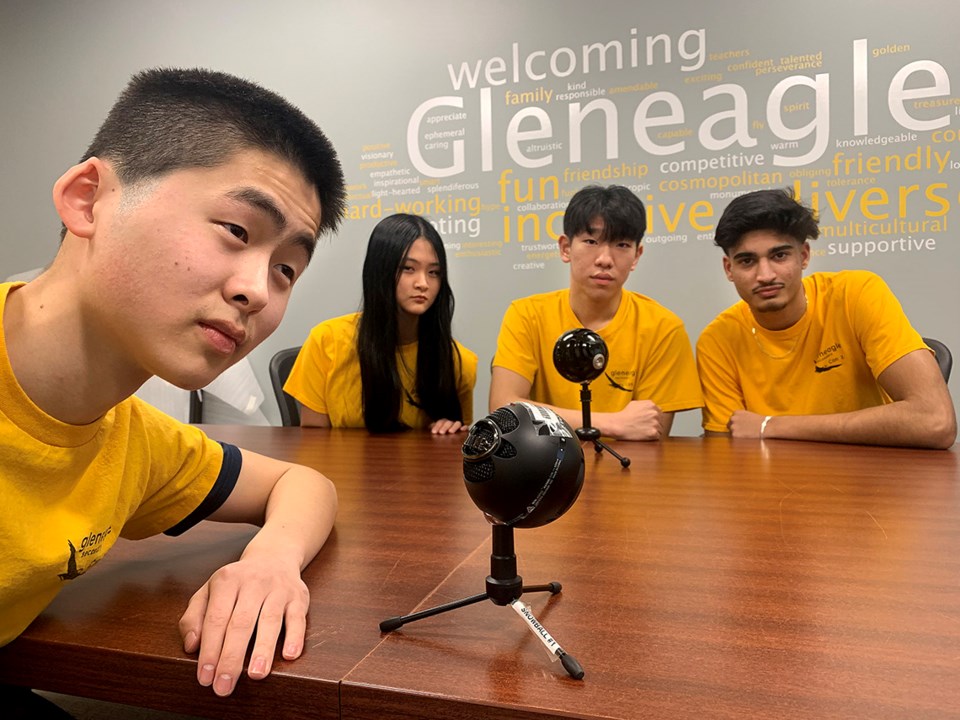
Chen and four classmates in the Con X Leadership program at Coquitlam’s Gleneagle Secondary are using technology and social media to foster empathy and compassion among their peers for people struggling with homelessness.

They’ve created The Blue Shed Podcast to share stories of people who’ve lived through homelessness and come out the other side, as well as community members working on the front lines of the homelessness issue in the Tri-Cities.

Chen said the group, that also includes Grade 12 students Mahtab Khangura and Matthew Jang, as well as Olivia Vasquez and Marisa Bassetto who are in Grade 11, originally wanted to construct a special blue shed where they could collect first-hand interviews from people experiencing homelessness, but they were advised that might not be the safest approach.

‘Be more creative’

Chen said the pivot forced them to reevaluate their own ideas about homelessness and goals for their project.

“We had to be more creative.”

For the first episode of their podcast, the group connected with a pair of outreach workers at the Hope For Freedom Society, Amanda and Aaron. They had survived their own experiences with addiction and homelessness and are now working to support those still enduring struggles.

Jang said their stories help humanize the issue of homelessness but also offer a glimmer of hope that hard work and perseverance can pay off.

“It’s important to make the issue feel personal and relevant. It opens doors to realizing the issue can’t be pushed to the side,” he said.

A future episode will visit with Macarthy Whyzel, a student at Douglas College in Coquitlam who’s created the Uplifting Group that distributes bottled water, nutritious snacks and other comforts like toiletries and socks to people struggling to survive on the streets of the Tri-Cities.

Vasquez said sharing such stories helps raise awareness of the work that is going on to help ease the homelessness issue in the area, often in the shadows.

Reach a younger generation

Khangura said the group’s work so far has helped build up his own understanding of homelessness.

Chen said the group decided a podcast would be the best way to reach their peers as most of their friends are avid podcast consumers. They’re also able to break out clips to post on , broadening the reach of their message.

“Our aim is to reach the younger generation,” added Khangura.

Because, said Jang, “even at our age you can make an impact.”