Port Moody could soon become the first municipality in British Columbia to compel new grocery stores participate in a local food recovery program.
Tuesday, April 22, council will consider a motion by Mayor Meghan Lahti that staff report back with a city policy requiring all new grocery stores partner with a recovery program to distribute food that would otherwise be thrown away to local charities and non-profit organizations.
Currently, participation by grocery stores in such food recovery efforts with organizations like the Food Link Society is largely voluntary.
Lahti said with three new grocery stores planned as part of major development projects in Port Moody — downtown, the Inlet District and Portwood — the time is right to get them on board.
“From a municipal perspective, these programs are best initiated at the outset through policy,” she said in a report. “It will be important to implement this policy as soon as possible to ensure that this requirement is understood prior to negotiation with any potential grocery store provider.”
Lahti said food recovery programs help reduce food waste, increase food security, save grocery stores money on their disposal costs and reduce greenhouse gases.
One million kilograms of rescued food
Igor Bjelac, the director of the Food Link Society, said his group currently serves 11 communities from 29 distribution points around the Lower Mainland. Last year it rescued a million kilograms of edible food that otherwise would have been sent to a landfill.
He said a policy making new grocery stores in Port Moody participate in food recovery programs would be a huge boost.
“It would reduce the time and effort we currently spend persuading stores to come on board,” Bjelac said. “Instead, we could focus our energy on expanding services — like increasing the number of families we serve, boosting meal production in community kitchens, and supplying even more food to schools and housing facilities.”
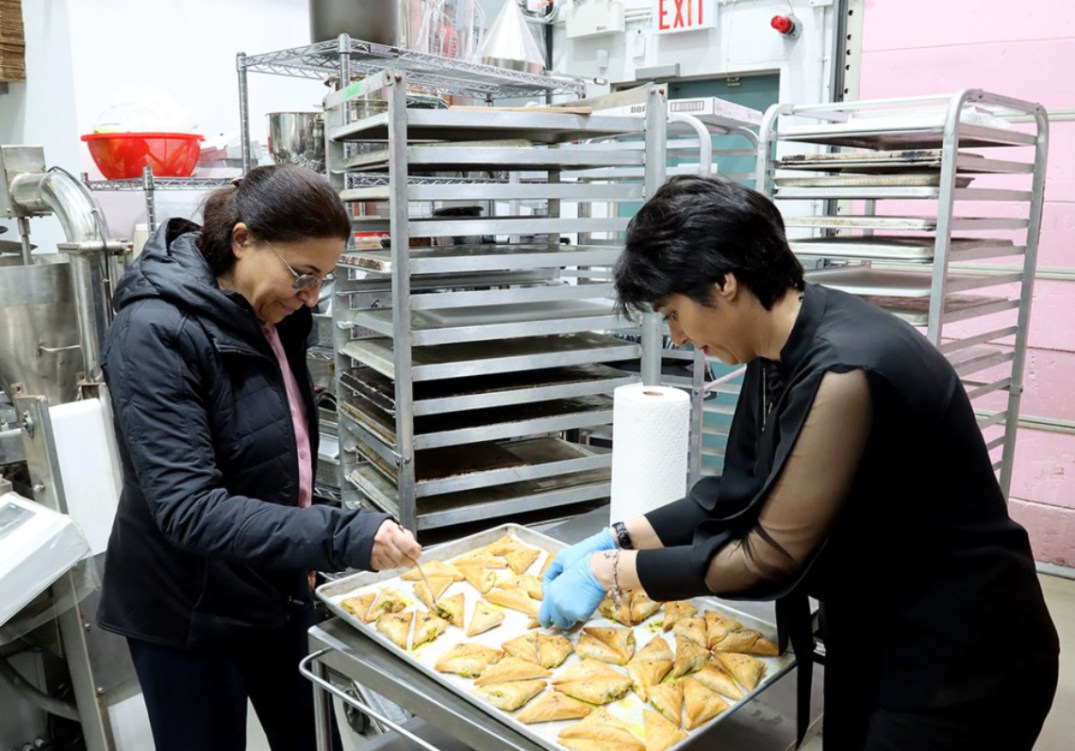
In February, Food Link opened a community kitchen facility in a Coquitlam industrial park that will allow volunteers and professional staff to transform imperfect vegetables and fruit, as well as other staples nearing their best before date, into healthy meals, appetizers and snacks to be distributed to local families in need.
Cassie Neigum said she’s seen first-hand the benefits food recovery programs can have in the Coquitlam middle school community where she teaches.
“You can’t teach kids if they’re hungry,” she said, adding the number of families at her school who receive hampers of food items recovered from local grocery stores increased from 32 to 52 in just the past year.
“Kids can’t learn in class if they’re concerned about where their next meal is coming from.”








 MARIO BARTEL